Did you know you can speak Latin?
Last week we added our 133rd language to the uTalk app – and it’s a good one!
Latin has been around ever since the year 75 BC and it has evolved from Old Latin to Classical Latin, to Early Modern Latin and finally Modern Latin. Along with Greek, its roots are used in theology, biology, and medicine right up to the present day. Romance languages, such as Italian, Portuguese, Spanish, French, and Romanian have developed from Latin. Later on, many words from all these languages were taken into English, so even if you’ve never actively learned it – you might actually speak Latin.
Here are a few examples of Latin words and phrases that we use regularly:
1. ad hoc: to this
Ad hoc refers to something that was created for a specific purpose or situation as the need arises, without previous planning. An ad hoc political committee, for instance, is formed specially to deal with a specific situation.
2. vice versa: the other way around
For example: “I like you and vice versa” means that you also like me.
3. carpe diem: seize the day
This phrase comes from a poem by Horace and is used to encourage people to enjoy the moment without concern for the future.
4. sic: thus
Sic is used with square brackets [sic] after a quotation indicate that an odd or unusual phrase was reproduced exactly as it was in the source, and therefore it is not an editorial error.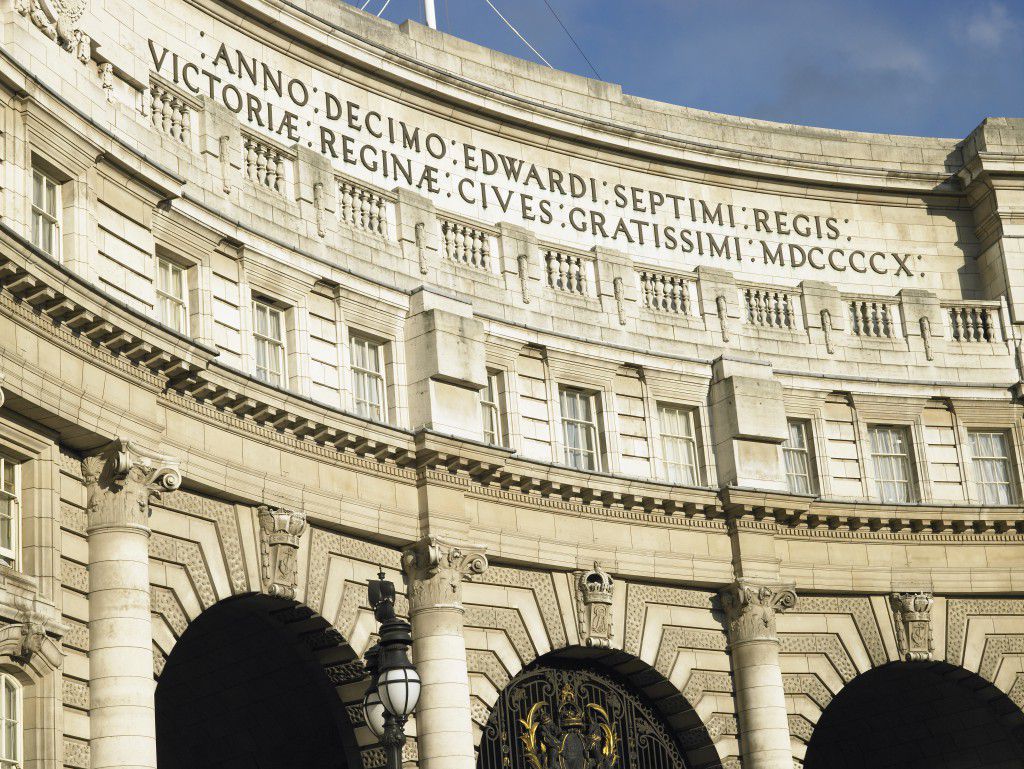
5. per se: by itself
Per se is used to refer to a particular thing by itself. For example: “The idea, per se, wasn’t bad; it was just the way he said it.”
6. mea culpa: through my fault
You might say this if you were admitting guilt, or owning up that something went wrong because you made a mistake.
7. circa: around
If you hear “circa” before a date or other fact, it means it’s an approximation – so for example, “This church was built circa 1600”.
8. in loco parentis: in the place of a parent
When an individual or organisation acts in loco parentis, they assume legal responsibility for a child in the absence of their parents.
We’re really excited to finally add Latin to our uTalk app. Take a look – it’s a great way to see how Latin would sound in modern day society and also to better understand how the language works.
10 famous faces who speak other languages
We’ve posted previously about movie and sport stars who speak other languages. But it turns out they’re not the only famous linguists, so here are a few more. Prepare to be impressed…
Audrey Hepburn
There was much more to the star of Roman Holiday and Breakfast at Tiffany’s than her movie career. Audrey Hepburn was well known for her charity work with UNICEF, and after spending her childhood in Belgium, Britain and the Netherlands, she was also fluent in English, Dutch, French, Italian, Spanish and German.
Rita Ora
Rita Ora was born in Kosovo (then called Yugoslavia) to Kosovar-Albanian parents, moving to London when she was a year old. The pop star, model and X Factor judge speaks Albanian fluently and is proud of her heritage; last year she was named an honorary ambassador for the Republic of Kosovo.
Ellen Macarthur
Former yachtswoman Dame Ellen Macarthur learnt to speak French when she was 21 and living in a French boatyard while she prepared for a solo transatlantic race. She’s now fluent and says she would never have been so successful in her career without knowing the language, which helped her build relationships with other sailors and gain sponsorship.
Eddie Izzard
Comedian (and record-breaking marathon runner) Eddie Izzard is currently touring with his stand-up show Force Majeure, which he performs three times a night, in three languages: French, German and English. In 2014, he was named the Guardian’s public language champion, and told the newspaper: “There’s a political basis for me to learning other languages, because if we don’t come together in the world then the world’s not going to make it.”
JK Rowling
JK Rowling studied French and Classics at university, and when she came up with the idea for the Harry Potter series in 1990, she was working as a bilingual secretary for Amnesty International. She later moved to Portugal and split her time between teaching English as a foreign language and writing the best-selling books.
Mark Zuckerberg
The Facebook founder surprised everyone in 2014 when, during a visit to Tsinghua University in Beijing, he started speaking Mandarin – and continued for half an hour. Though his efforts got a mixed reception from the press, the audience seemed delighted – and we were pretty impressed, too.
Jon Heder
The star of Napoleon Dynamite is a member of The Church of Jesus Christ of Latter-day Saints, and served a two-year religious mission to Japan after high school, where he became fluent in the language. And though he now describes himself as “a little rusty”, he still sounds pretty good to us.
Tim Peake
Tim Peake is the first British astronaut to go to the International Space Station – but before leaving Earth he had to learn Russian (the language of the controls in the Soyuz capsule used to get to the ISS), and has described this as the hardest part of his 14 months’ training.
Tom Hiddleston
Okay so we already mentioned Tom Hiddleston in our last post, but frankly, we never get bored of listening to him speaking loads of languages – among them French, Spanish, Greek and Italian, plus some Mandarin, Russian and Korean. And he studied Latin at university…
Viggo Mortensen
The Lord of the Rings star was born in New York, but spent his childhood in Venezuela, Denmark and Argentina, leaving him fluent in English, Spanish and Danish. He also speaks some French and Italian, and understands Norwegian and Swedish.
Does your favourite celebrity make the list?
Beginner’s guide to Romanian
The Junior Language Challenge is a national competition for children aged 10 and under across the UK. One of the goals of the competition is to give young learners the chance to discover exciting new languages, and this year we’ve chosen Romanian as the first language.
But how much do you know about this European language? Here’s Ioana’s introduction to her mother tongue…
Some other fun facts about Romanian
- The Romanian language is 1,700 years old and is the only Romance language spoken in Eastern Europe. That’s why you’ll be surprised how many similarities it has with French, Spanish, Italian and Portuguese. However, it also retains a number of features of old Latin and also contains many words taken from the surrounding Slavic languages, as well as from German, Greek and Turkish.
- The name “Romania” comes from the Latin word “Romanus” which means “citizen of the Roman Empire.”
- Something that might come in handy is that Romanian is a phonetic language, so words are pronounced as they are spelled. Yay!
- A foreigner trying to learn or speak Romanian can expect positive reactions from native speakers. Most Romanian will certainly appreciate the fact that you are making an effort to speak their language.
- Romanians tend to be very good at foreign languages, they start learning as early as 6 years old in school either English, French or German and they add a second language at the age of 11. The majority of young people speak very good English and some of them even another one or 2 languages.
- Romanians love meeting new people and making friends; they are also renowned for their hospitality, so if you speak Romanian you have a pretty good chance of having a blast if you’re visiting this country.
- And speaking of travelling, Romania has amazing landscapes. In fact, Romania’s Carpathian Mountains are home to the largest undisturbed forests in Europe.
- Don’t deny yourself the ease of ordering delicious Romanian food that comes in generous portions, and you’re guaranteed to remember a trip to Romania as one of the best you’ve ever had.
La revedere și mult succes (goodbye and good luck)
If you’re a parent or teacher of children aged 10 and under in the UK, visit juniorlanguagechallenge.com to find out more about our annual competition, which is now open! Entry costs just £5, which is all donated to our fantastic charity, onebillion.
You speak more French than you think
So you think you can’t speak French? You may not realise it but if you’re an English speaker, you probably know more French than you think. Just take a look…
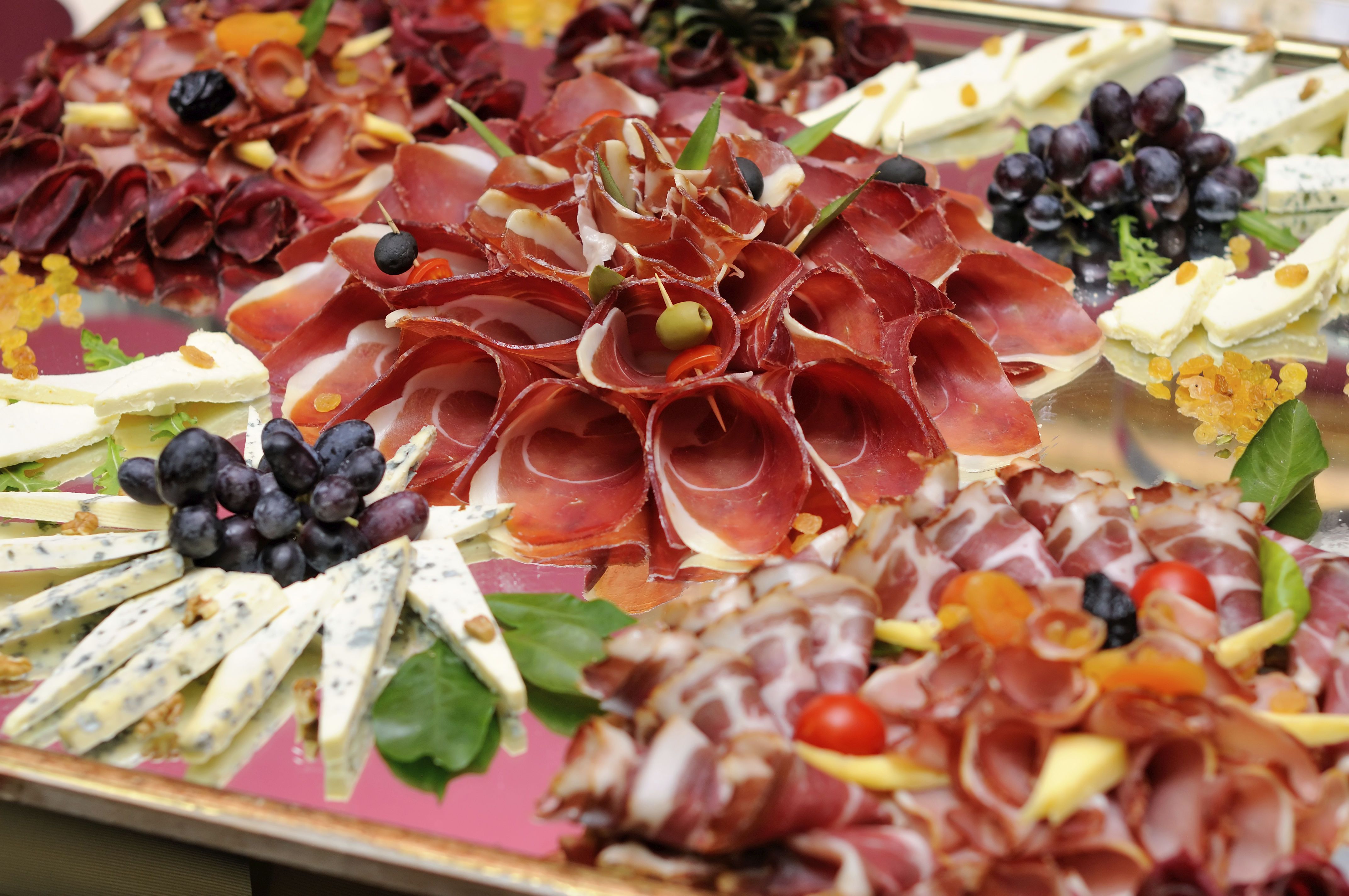
Delicatessen/Deli
Whether you go to the ‘deli’ aisle in the supermarket, or an independent delicatessen for some dips, sauces or meats, we’ve all used this word. In French the word for this is ‘delicatessen’, which literally means ‘delicious things’.
Biscuit
A common snack or treat in the UK and the US, there are so many options to choose from. But did you know that this originates from French, meaning ‘twice cooked’. The original biscuits were baked first, and then put into another oven to dry out so that they kept longer.
Faux Pas
Often seen in magazines or newspaper as a favourite way to describe a celebrity fashion ‘faux pas’. It originally means ‘false step’ in French related to a social mistake, which leads to embarrassment.
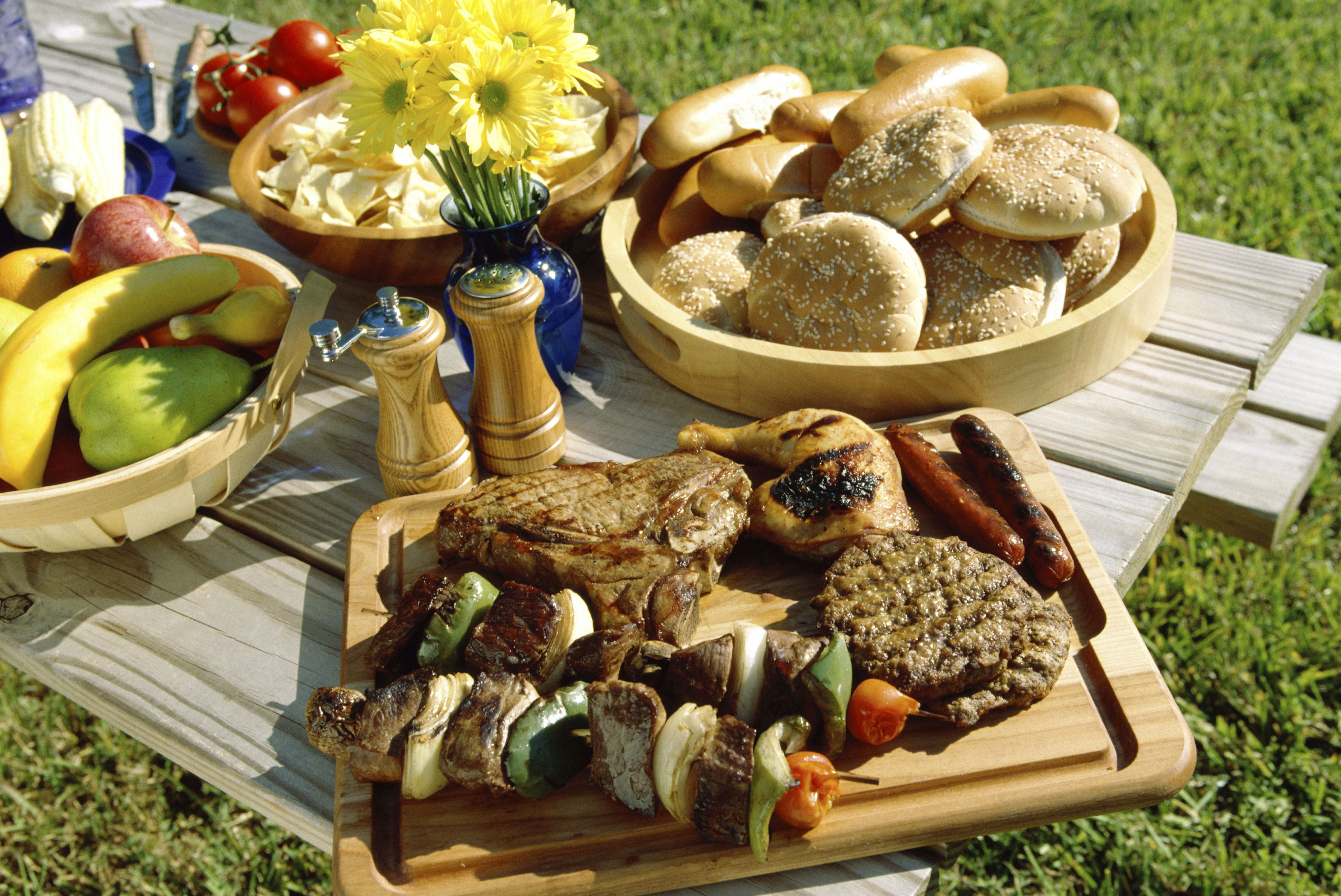
Picnic
The original meaning of picnic was to describe people who bring their own wine to a restaurant. The connotation of bringing something has stayed today with the idea that people contribute different things to a picnic. Today we also know it as a meal we eat outside or ‘al fresco’ (which is from Italian, if you were wondering).
Sabotage
Interestingly this word was first related to a work dispute and the idea that workers threw shoes into the machinery (originally clogs) to stop it from working, so they could strike. Today we associate this word with the idea of doing something which will prevent the desired outcome.
Fiancé(e)
We do have a couple of words for the person we’re going to marry in English, but for some reason the French is used much more regularly than ‘intended’ or ‘betrothed’. Perhaps it’s just that the French sounds more romantic?

Sauté
A term used in cooking such as to sauté an onion, it means frying in a small amount of fat. It originates from ‘sauter’ which means to jump in French.
Can you think of any other examples of French words or expressions that are regularly used by English speakers?
Learning languages helps me help other people
Darren took part in our uTalk Challenge in January this year, choosing Polish, and he’s continued in February with Czech. Here’s his language learning story…
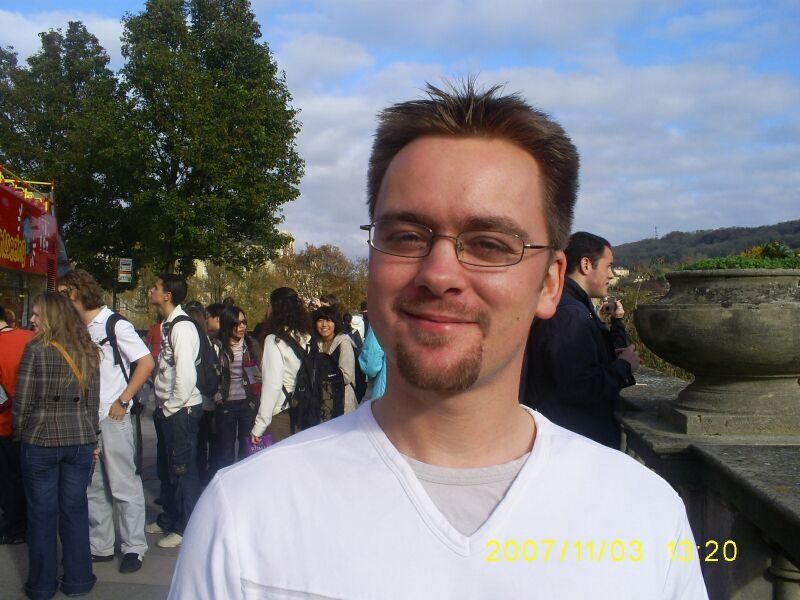
My name is Darren, I’m from Bath, England, and my language journey really began about 10 years ago.
I had studied French and German at school but I didn’t really enjoy them. I didn’t realise how useful languages could be until a friend asked me to help her learn some Latin for her nursing exam. She gave me the list of things she needed to learn with a look of sheer terror on her face and I told her ways to easily remember each word. You could see the panic in her eyes fade as she realised she could remember everything after just a couple of hours.
Soon after, I started working with a lot of Polish girls. It was quite difficult because only one or two of them could speak English, so I decided to try to learn enough Polish to be able to say “Good morning”, “You need to do this…”, “Would you like a coffee?” and other essential phrases. My first few attempts at communication were hilarious! My pronunciation was terrible and led to smiles and giggles, but they were all really impressed that I even tried and my blushes soon turned to grins of pride. I started doing the same when other new people arrived and was soon spouting phrases in Polish, Hungarian, Latvian, Romanian, and Greek. The look of happy surprise as a nervous new employee is greeted in his or her own tongue is itself worth the effort of learning.
I try to study a different language every day of the week for about two hours. Now I have friends from all over the world and teach English as a Second Language so I am lucky enough to be able to practise different languages every day. I’ve lost count of the number of times I have been able to help someone in the street when they have asked someone in broken English if they know where some place is, or in a shop when they don’t understand what is being said to them by a cashier. One time I was even asked to help translate for a friend who had been attacked and needed to talk to the police. Languages are now very important in my life and are my biggest passion.
One last thing: my original attempts at speaking Polish eventually led to me marrying the girl of my dreams. Just another reason to start your own language adventure!
