The Difficulties of Translation: Love Translated
To language enthusiasts, it’s sometimes a bit of a shock to see how a favourite book or film title is rendered in another language. A common phrase, especially since the film which took it as a title, is ‘Lost in Translation’, the idea of some slight nuance being dropped between one language and another.
But sometimes it’s more than just a little nuance. Sometimes it’s a total transformation of the title, and a total change in meaning. Consider the phrase ‘lost in translation’ itself: a clever play on the idea of physical loss and metaphoric loss, it contains both the sense of merely overlooking something, and of being geographically lost- as well as emotionally bewildered. It’s a poignant phrase. Now consider the title of this blog post: ‘The Difficulties of Translation’ (Трудности перевода) is the Russian title for the same film, while ‘Love Translated’ (L’amore tradotto) is the distinctly simplified Italian variant.
Italian also simplifies one of the most beautiful film titles of this age: ‘Eternal Sunshine of the Spotless Mind’. The original title conjures images of endless hope, while the Italian ‘Se mi lasci ti cancello’ (If you leave me, I’ll delete you) narrows the ambit significantly and reduces the complex plot to the mere idea of a lovers’ tiff. Similarly, ‘The Catcher in the Rye’, the incredibly evocative title of Salinger’s great classic, certainly loses its panache and the protagonist’s sense of anonymity in the Italian edition, ‘Il giovane Holden’ (The Young Holden).

Needless to say, this works both ways, and anyone who is familiar with Proust’s famous work ‘À la recherche du temps perdu’ will be disgusted by the rather trite English version, ‘Remembrance of Things Past’ (thankfully renamed in more recent publications to ‘In Search of Lost Time’). Similarly, Camus’ ‘L’Étranger’ is only ever translated as ‘The Outsider’ or ‘The Stranger’ in English- unlike the French, English lacks a word which encompasses both nuances at once.
Got any favourite translations of titles in other languages? We’d love to hear them, whether you think they’re better or worse than the original!
Saving the Cornish language: Kernewek Fights Back!
Kernewek in Kernow
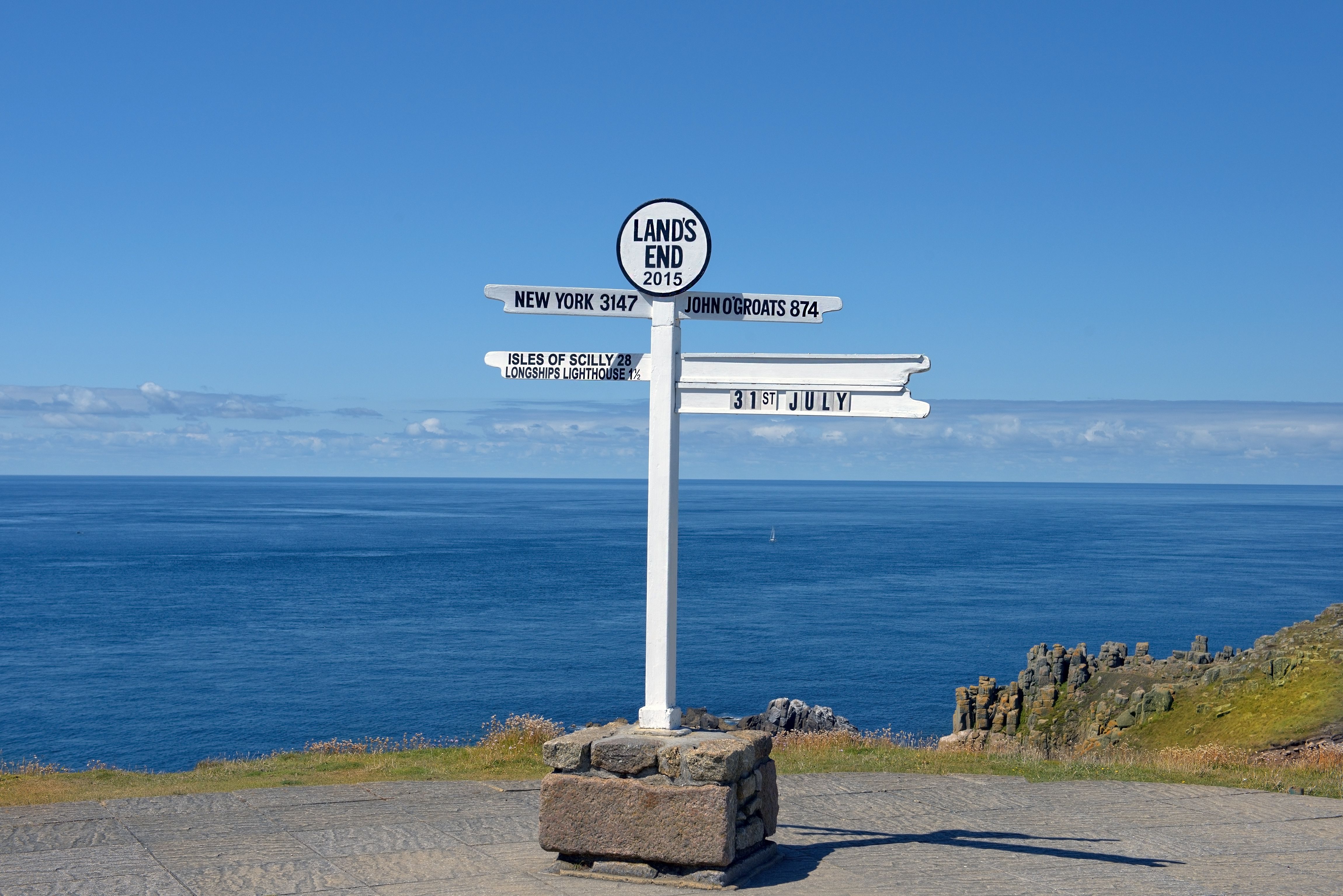
When I was back home the other week, I was surprised to see the Cornish language supporters out in force at several major Maytime festivals. Back in the day, you wouldn’t tend to see much Cornish language at a public parade. In fact, back in the day, you could easily come to Cornwall and miss all the Celtic language completely, except for the odd place-name translated on road signs.
Not so now! I go to a festival in London every year where all the Cornish ex-pats gather to celebrate St Piran’s Day, and at this festival of modern music and comedy (no folk element to it), it’s very normal for the presentation to be at least partly in Cornish. Last year, at the Falmouth Sea Shanty Festival, an entire group of about 20 people came into one of the pubs and were talking exclusively in Cornish, albeit with varying levels of fluency. And most Cornish people nowadays are at least familiar with the essentials- Mitten Da, Nos da, pasti, Fatla Genes, Kernewek.
Putting Kernow back on the map!
So something’s happened between when I was at school and now. And in large part it’s down to the Cornish Language Partnership, who have been promoting and supporting the Cornish language since 2005, coordinating languages societies, local authorities and other cultural groups. It also offers a translation service and online audio dictionary for all those eager learners. They’ve put Cornish back on the map in a big way, and helped to standardise a language which, divided into many dialects, was actually officially dead.
The bad news is that the Cornish Language Partnership relies a lot on government funding, and the government has recently cut £150,000 of annual funding for the Cornish language. This is terrible news for supporters of Cornish (and worrying news for other minority languages), and a petition has been launched to reinstate the funding (with currently over 8,600 signatures).
Not taking it lightly, me lovers!
The good news is that Cornwall’s not backing down! A local (and well-loved) ice cream firm, Kelly’s, has recently launched an advert all in Cornish (with the odd cheeky nod to English thrown in here and there). In the Kelly’s ad, a young man extolls all the virtues of the Kelly’s ice cream entirely in Kernewek – quite ambitious considering Cornwall only boasts about 2000 fluent speakers – yet the simple message of this ad is completely conveyed. Have a look for yourselves:
We’re proud to do our bit to support the Cornish language – check out our Cornish programs
Nat
Tell us about your Tartan…
We were disappointed recently to find that – somehow – we had missed National Tartan Day. I know! We’ll do better next year.
Although you might think National Tartan Day is a Scottish endeavour, it actually stems from North America and seems to have developed into rather a massive Celtic festival. Which leads us to wonder, what exactly is tartan and why is it so important?
When we think of tartan, we generally think of a woven patterned cloth which belongs to a particular Scottish clan. Most clans will tend to have both a dress and hunting tartan, the hunting tartan being a sombre version made up of dark colours whilst the dress usually swaps a colour from the pattern out for white, making it much brighter. There is a lot of etiquette around tartan, and I for one would not try to wear a tartan that I had no connection with, sticking instead to the tartans from my family’s history.
Or, I might wear a Cornish tartan, because in recent times tartan has become increasingly used by regions, ethnicities and businesses. Cornwall’s tartan was created in the 1960s and has really caught on, being widely available on tourist knick-knacks and formal clothing. At a wedding I recently attended, the groom and best men were all wearing Cornish tartan waistcoats, and the Cornish tartan kilt is not an unusual site at a festival. What is perhaps especially nice about this regional tartan is that anyone Cornish is entitled to use it- there’s no difficulty in etiquette- and even if you’re not Cornish but want to celebrate Cornwall, you’re more than welcome to help yourself to some Cornish tartan, as long as you can stand the slightly weird and bright mustard yellow of it…

If you want to wear tartan but don’t really feel a particular affiliation with a particular clan, then a good option for British and Commonwealth citizens is the Hunting Stewart tartan which, being Queen Elizabeth II’s personal tartan, can be used by all of her subjects. The other good option is Black Watch, also known as Government Tartan, which is traditionally available to those who don’t have a tartan of their own.

Do you have a particular tartan you wear, or thoughts on tartan etiquette? We’d love to hear from you!
Nat
EuroTalk Egg-Smashing Championship 2016 – Who Will Win?
It’s Easter, which for some of us means chocolate eggs or hot cross buns, but here at EuroTalk we’re celebrating with another tradition: egg tapping. It’s very simple, so you can do it from home:
1) Boil a load of eggs, one for each participant.
2) Decorate the eggs- This can be done in a number of ways, the most popular of which may be to boil them with onion skins to make a reddish finish. If you’re feeling artistic, press some leaves against the unboiled eggs and secure them with an old stocking, then boil them to leave the impression of the leaf. You can also paint the egg after boiling. Here at EuroTalk, we enjoy personifying our eggs so we put little warrior faces on them (with some of them even going to the effort of putting their war-paint on!)
3) Arrange yourselves into pairs, and in each pair tap first the tops of your eggs together, then the bottoms. If an egg cracks, it loses the round, and you have to eat it. The winner is the one whose egg survives the longest!
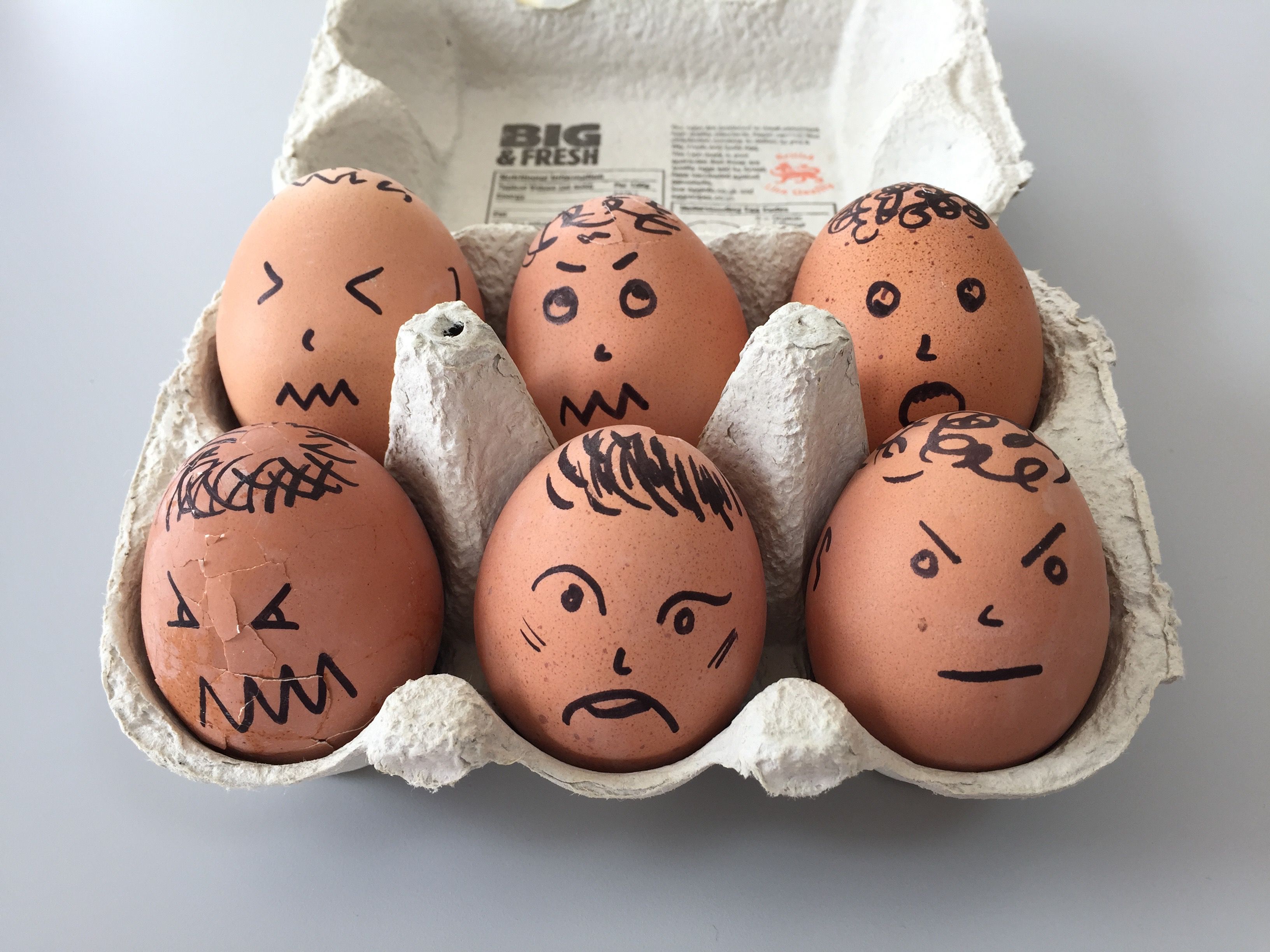
The EuroTalk Championships:
Round 1: Alex versus Ioana: After a small amount of cracking on the top of Alex’s egg, Ioana really smashed her advantage home by shattering the bottom of her opponent’s egg: a clear winner.
Round 2: Safia versus Nat: The initial tap only drew a tiny crack from Safia’s egg, but the second tap left the same egg in shreds whilst Nat’s was still uninjured.
The Final: Ioana versus Nat:
Nat’s egg suffered a major injury in the first round, but a strong grip during the second tap left Ioana’s egg struggling in the ring, and Nat’s egg was crowned the winner of this year’s 2016 Egg Smashing Championships!
We celebrated by eating all the egg participants, winners and losers, to prove that no foul-play (concrete fillings etc.) had been perpetrated in the preparing of the eggs.
Tune in next year to see how the eggs perform!
We love Glasgow!
Last weekend, EuroTalk was in Glasgow for the Language Show Live. And – don’t tell our boss! – we almost didn’t come back.
That’s because Glasgow is the best place in the world. Full stop. End of discussion. We loved it, and here are our reasons why:
1) Everyone is enormously friendly
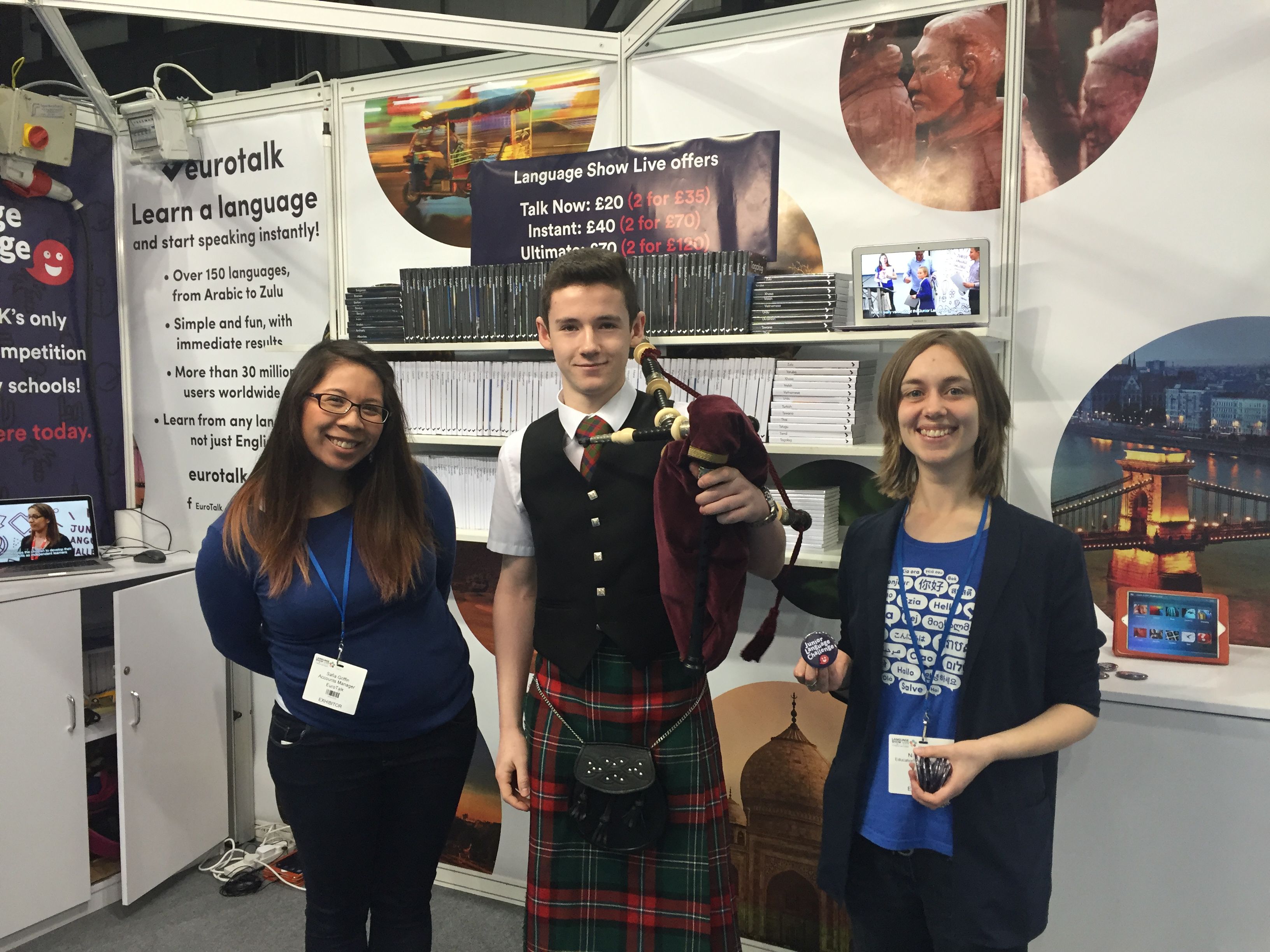
I know that sounds like a bit of a generalisation, but seriously: every single person we met, from the train manager to the taxi drivers to the hotel staff to the Hibs football fans in the pub, to all the people we talked to at the Show – all of them were so friendly. Being used to the anonymity of London, where you’re lucky to make eye contact with people on the street, this was a very welcome change. One of our taxi drivers took us on an impromptu tour of the city centre, pointing out interesting (if sometimes dubious) architectural facts, and even the show’s bagpiper was happy to visit our stand for a photo:
2) The food is amazing
We didn’t even need to do any research on where to eat – just flopped out of the show each day and into the nearest pub, restaurant or cafe. The West End is famed for its great places to eat out, but as we were staying central, we took a chance in the centre of town and got lucky every time, as Glasgow is riddled with wonderful nooks and quirky bars to grab a bite or a drink in. I think our collective favourite was The Butterfly and The Pig, a bustling, cosy basement pub which offered warming food and comfy sofas at the end of a very long day. With the obligatory pint of Belhaven Best, of course.
3) The Central Station
It’s been a longstanding dream of mine to one day stay in the hotel in Glasgow’s Central Station. I’ve no idea what the hotel is like, but from the outside you imagine waking up in the mornings and looking out over the glass and dark wood interior of the station, with trains departing on early morning journeys. We weren’t staying there, of course, but we did arrive and leave from the stunning Central Station and what better introduction to the city could you hope for?
4) Culture
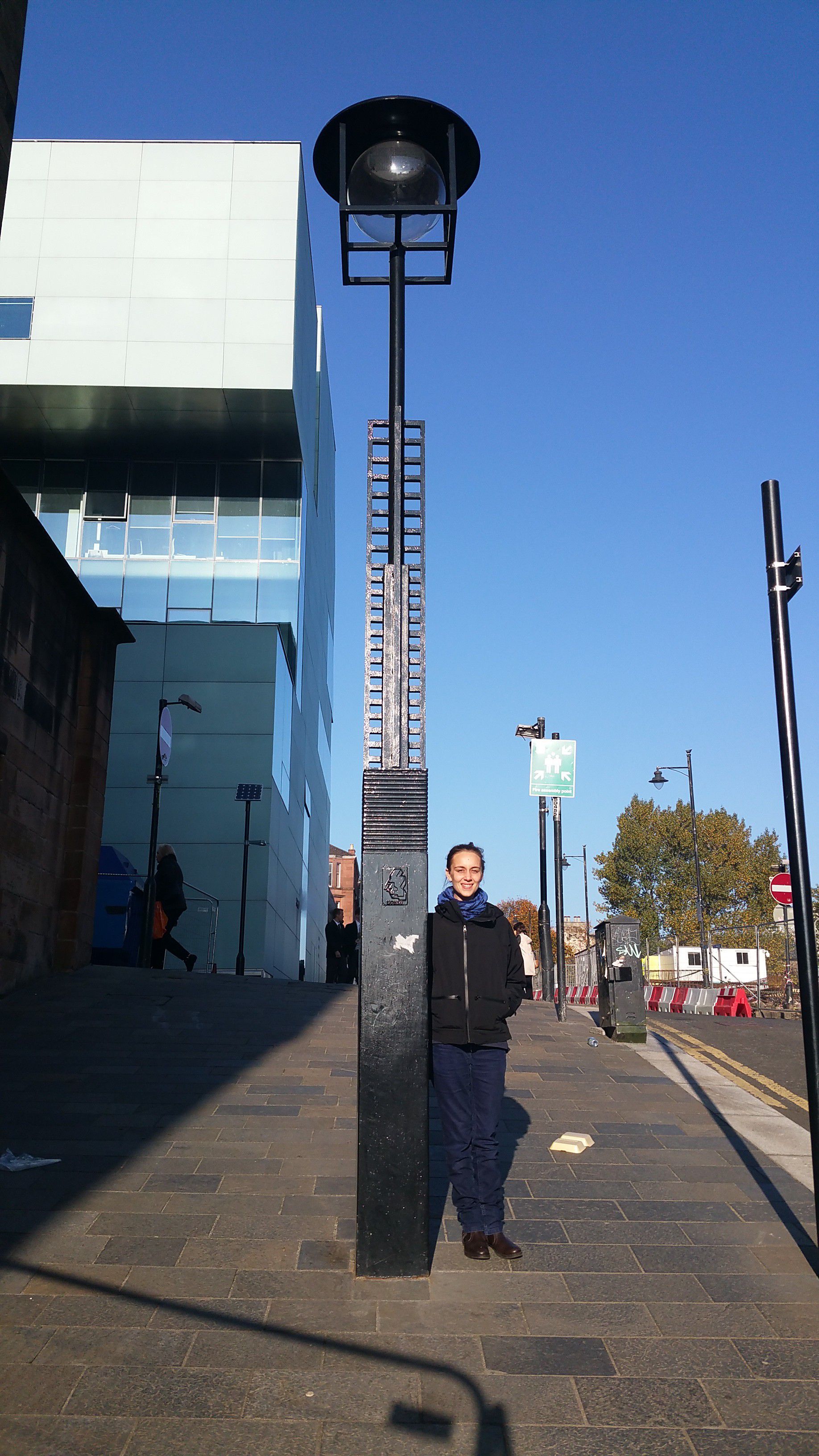
To be fair, as we were mostly inside the SECC, we didn’t visit any cultural icons, but then that’s all the more reason to go back again. Just walking down the Clyde between the Transport Museum and the BBC, with the Hydro to your side, and sneaking a peak at the School of Art and the Rennie Mackintosh street lamps spilling onto the street, then savouring a cup of tea in the Willow Tea Rooms and walking past the Tenement House, gives you a brief introduction to the depth of culture going on in this city. And that’s without mentioning the Kelvingrove Art Gallery, the Burrell Collection, The Hunterian, The Lighthouse…
5) Hope
Maybe it sounds a bit corny, but partly because we were there for the Language Show and everyone who attends the language show tends to be hugely enthusiastic about languages, we really did get a massively positive boost from being in Glasgow. Added to that, the show was also a forum for discussion of Scotland’s new Curriculum for Excellence and Primary 1 + 2 policy on languages, so there was a lot of enthusiasm about the exciting new path Scotland’s eduction system is taking. This country seems to have it all sussed out!
So thanks to Glasgow for making three slightly exhausted ladies feel very much at home- we can’t wait to see you again soon!
Nat
