The Language of Chocolate
Ah chocolate, that little sinful delight that you can pretty much find in every corner of the globe. Eat it, drink it, wear it or even play with it, you simply can’t get away from it. Since it’s National Chocolate Week I was curious to find out where the word ‘chocolate’ actually comes from.
Unfortunately there isn’t really a concrete answer that states its exact origins. Some believe it comes from the Aztec (Nahuatl) word ‘chocolatl‘ which referred to a substance produced from the seeds of the cacau tree. Others believe the Spanish coined it from the Mayan word ‘chocol‘ (hot) and the Aztec word ‘atl‘ (water) when early explorers came across a beverage made from the seeds.
It only goes to show how far back the beginnings of chocolate as we know it are embedded into our history. If you’re looking for interesting ways to use the word chocolate in other languages, here are a few to start you off with.

If you ever come across something or someone that you find utterly useless, then the expression ‘as much use as a chocolate teapot‘ might come in handy. Science has even proven how useless a chocolate teapot really is.
In French, you might use the phrase ‘tablettes de chocolat‘ to refer to a particularly svelte and toned looking man. There are some things about the French language that I just love.
‘Es el chocolate del loro‘ in Spanish literally translates to ‘the parrot’s chocolate’, but is in fact referring to the insignificance of a small amount of money when compared to a much larger amount. I’m still trying to work out where the parrot comes into this, though.
And if you find yourself in a particularly confusing situation that defies all sense of logic and cohesion, don’t hesitate to swap the English idiom ‘it’s all Greek to me’ for the Dutch ‘daar kan ik geen chocola van maken’ which translates to ‘I can’t make chocolate of that’.
Do you know any other chocolate based expressions? Do let us know! I’m sure they’ll be positively delicious…
Safia
EuroTalkers try… Chinese Mooncakes
Every year on the 15th day of the 8th month of the Chinese lunar calendar, millions of ethnic Chinese celebrate the Mid-Autumn Festival (中秋節, pinyin: Zhōngqiū Jié) around the world. This year it falls on 27th September, but you’ll find that festivities are held throughout the month. It is thought to originate from ancient times when people would worship the Mountain Gods after the harvest was complete.
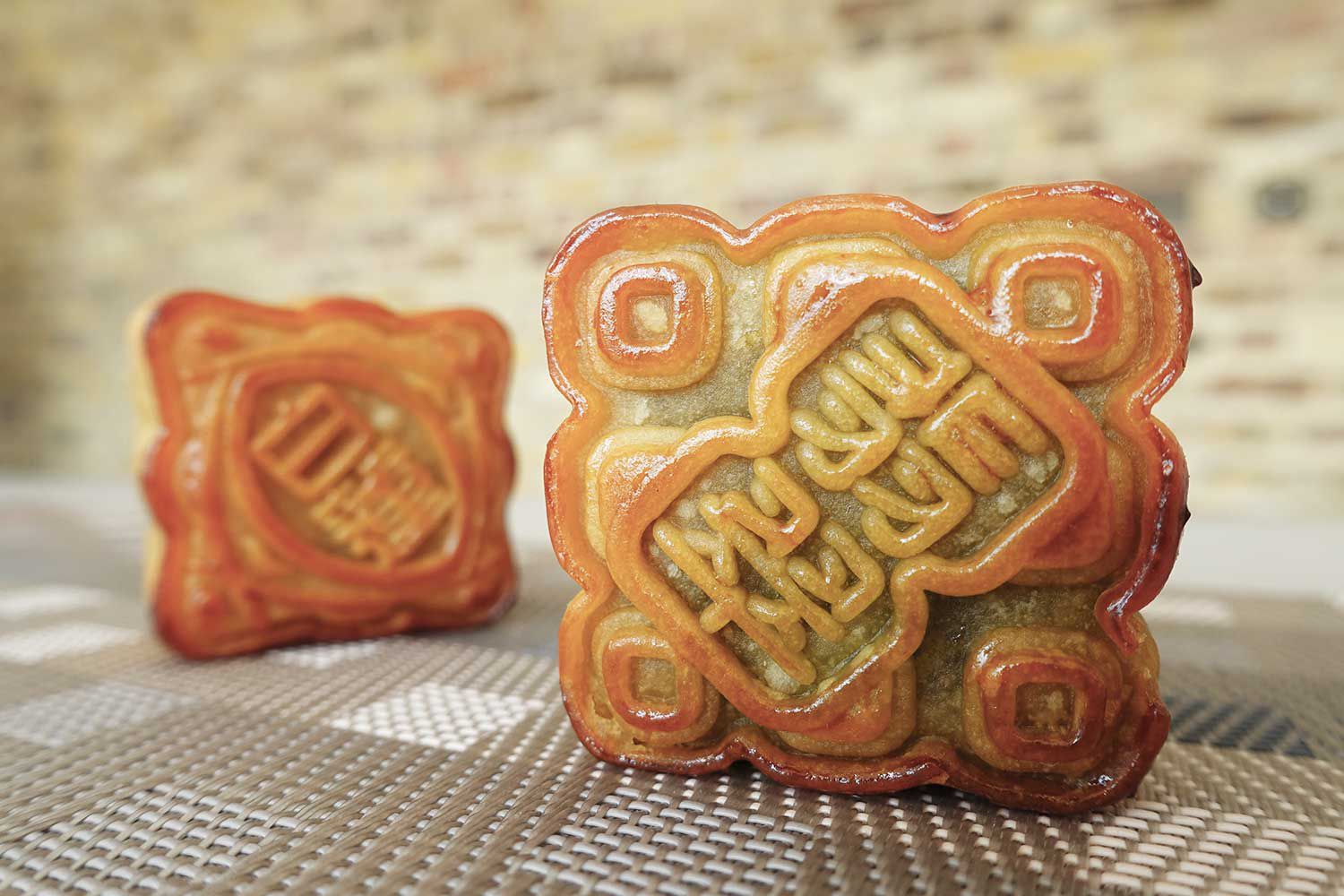
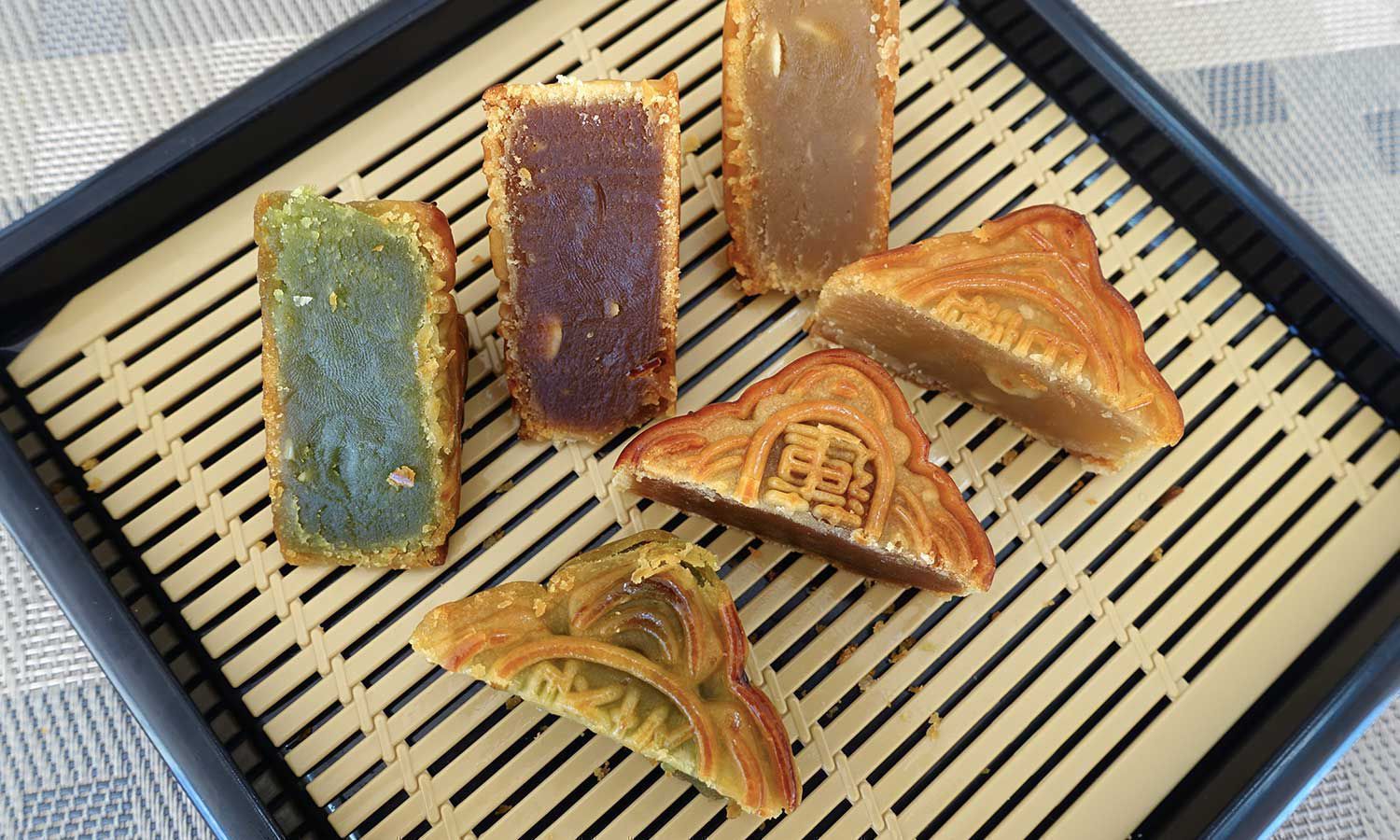
Today, the festival is celebrated not only to honour the moon and the rewards of the harvest, but to gather with friends and family in a celebration of unity and harmony. One of the traditions (and for me the most exciting part of the festival) includes the making and sharing of mooncakes (月餅, pinyin: yuè bĭng). I absolutely loved eating mooncakes growing up and couldn’t believe how many types and flavours you can get now on my recent trip back to Singapore & Malaysia.
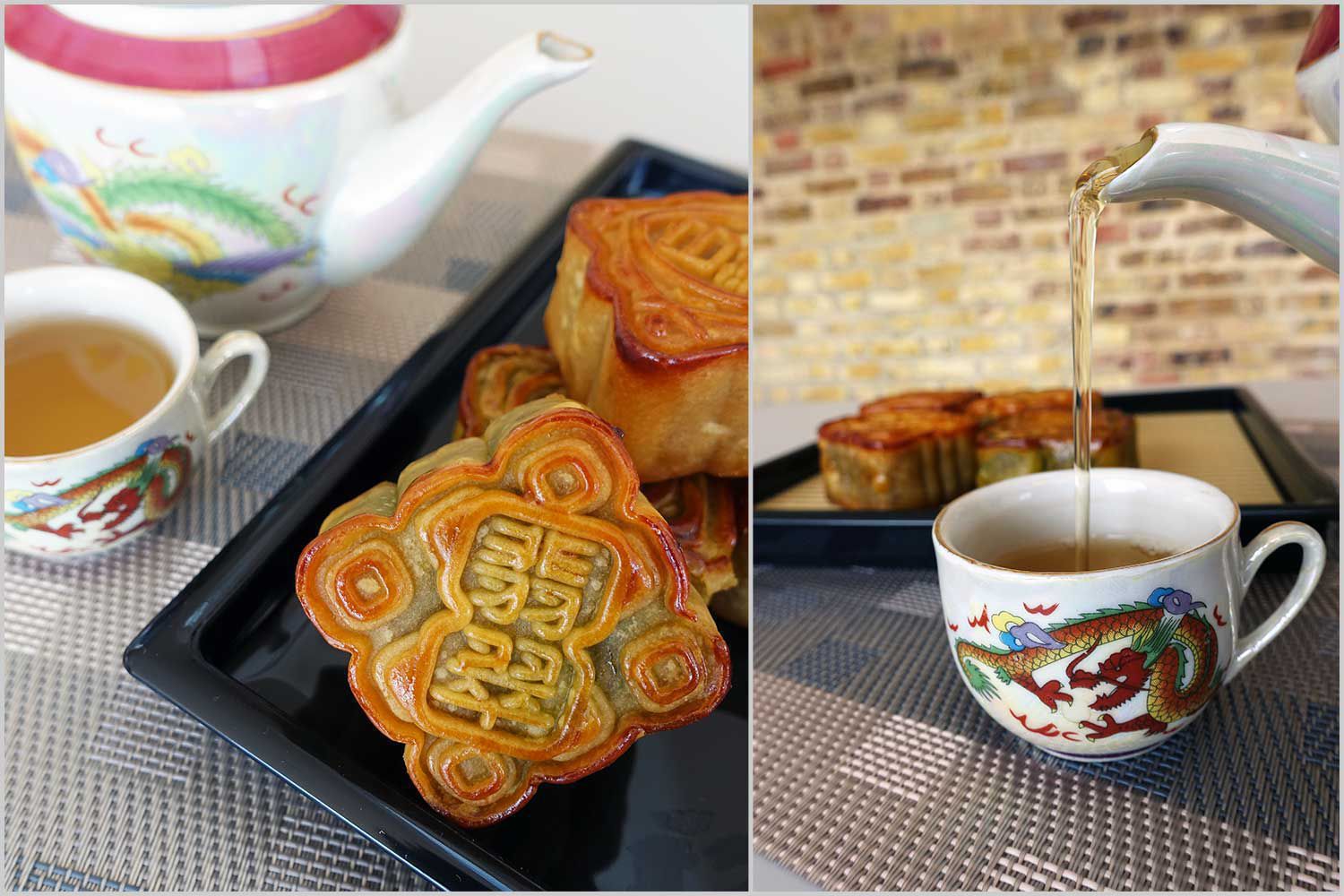
These little beauties are a type of pastry commonly filled with lotus bean paste (蓮蓉, pinyin: lían róng). You’ll also often find ones that contain a salted egg yolk which represents the full moon.
It’s not really a flavour/texture that I’ve found anywhere in Western food culture, so I decided that I would ‘subject’ my colleagues to a bit of a mooncake tasting session. With 4 flavours to choose from namely green tea, pandan, red lotus and white lotus, who would be able to resist these sweet delights? I definitely wasn’t secretly hoping that no one would like them… just so there would be more left for me! Check out the video below to see their reactions!
Are you a mooncake fan or a mooncake newbie? Either way we wish you a very happy and mooncake filled Mid-Autumn Festival! 中秋快乐! Zhōngqiū kuàilè!
Safia