Quote of the week: 21 Mar 2015
“If you are always trying to be normal, you will never know how amazing you can be.” Maya Angelou

Embed This Image On Your Site (copy code below):
5 reasons to join the Junior Language Challenge
If you’re a regular follower, you’ll have heard us talk in past years about the Junior Language Challenge, our annual competition for primary school children across the UK. This year’s challenge is now underway, and here’s why we want every child who’ll be aged 10 and under on 1st September 2015 to join in:
1. It makes languages fun
All parents and teachers know that children learn best when they’re enjoying themselves (as we all do – not just children!). So the JLC uses games and the competition element to make languages fun. We want every child who takes part in the JLC to come away from it with a new love of languages, and eager to continue with them as they move on to secondary school.

2. It introduces children to languages they’ve never heard of
Last year, children taking part in the competition learnt Italian, Japanese and Somali. This year, they’ll be starting with Portuguese. We like to offer exciting, different languages – because once a child knows they can learn Chichewa, suddenly French and Spanish won’t seem so daunting. And it encourages them to learn about other cultures and countries, some of which they may never have heard of before.

3. It doesn’t take up loads of teacher or parent time
We know teachers and parents are busy people. That’s why the JLC is designed to be as easy as possible to set up. We’ve even created this letter to parents, which explains what it’s all about. Everything’s done online, so once you’ve got them registered, children can login on any computer and keep learning. Our system records all the scores, so the only thing we need from the grown-ups once they’re up and running is encouragement!

4. It’s for charity
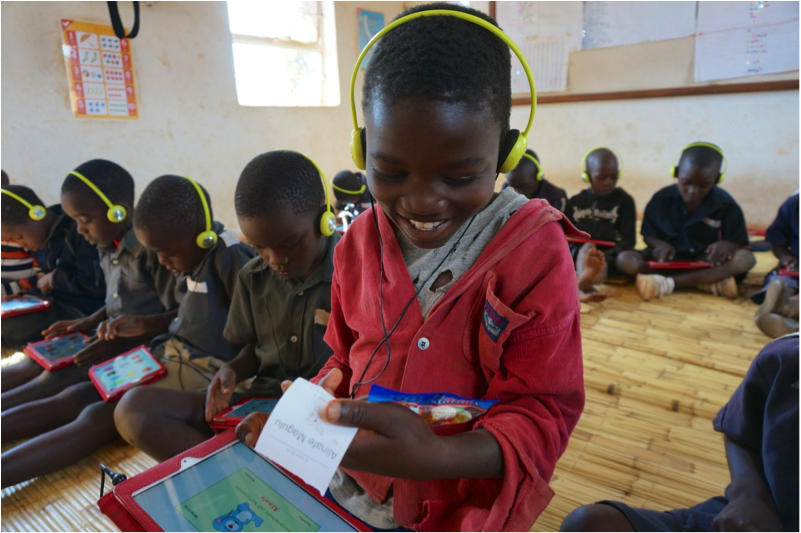
The JLC doesn’t just benefit the children who take part; it also raises money for our charity, onebillion. They’re doing fantastic work creating apps to transform the education of one billion children in developing countries, and we’re proud to support them. Each child who enters the competition pays a £5 entry fee, all of which is donated to the organisation.
5. There are some great prizes on offer
The JLC champion wins a once-in-a-lifetime family holiday to Africa (our 2013 winner, Ella, wrote us this fantastic report about her trip to Malawi). There are also prizes for the runners-up – in previous years these have included iPods and cameras – and goodie bags for everyone who makes it through to round 2 and beyond, including t-shirts, pens, and other treats, as well as discounts on EuroTalk software for the children and their schools.
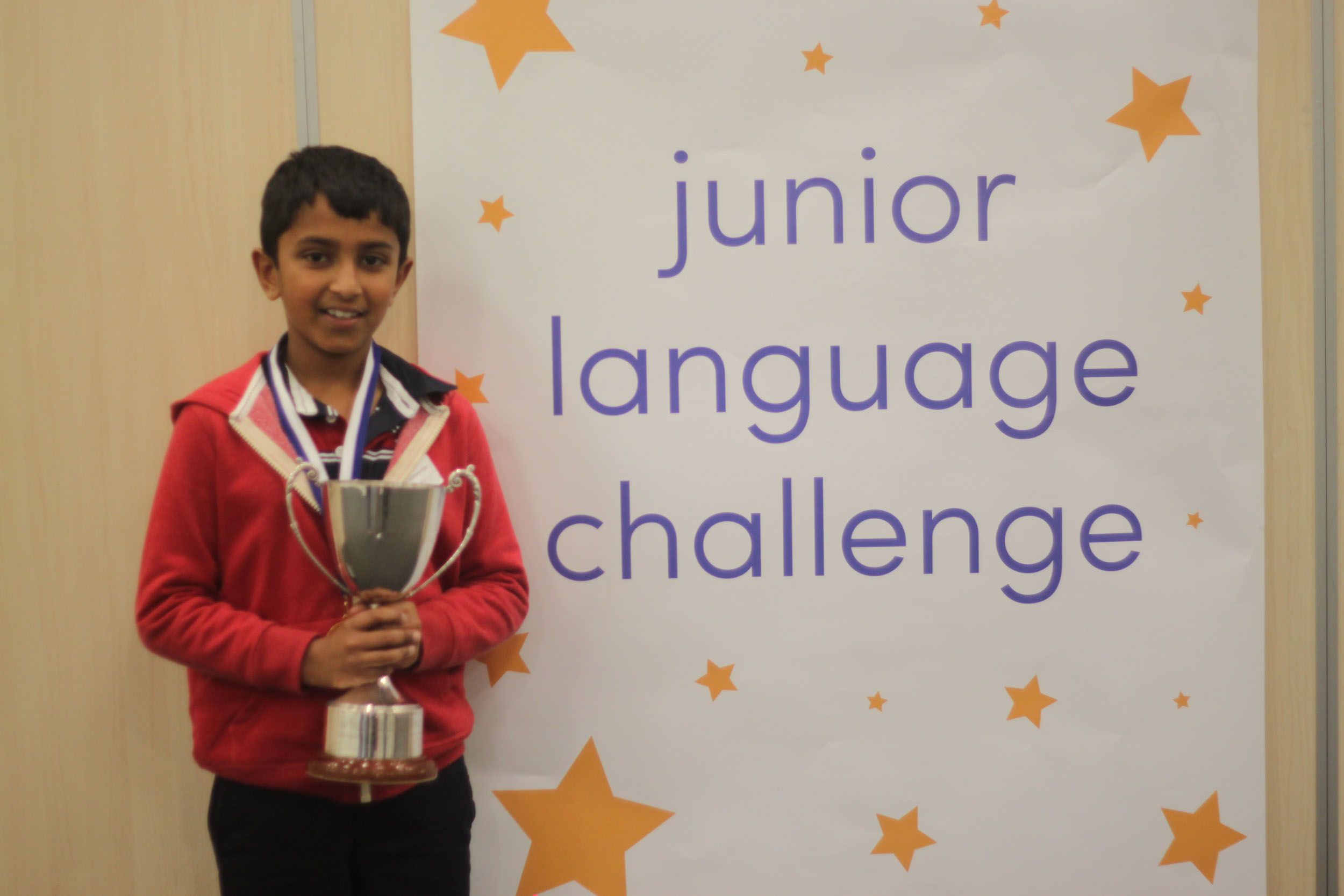
Registration is open now for school groups and individuals. Teachers can register their school for free, to take a look and try out the games before deciding whether to sign up any pupils.
If you’d like more details about the Junior Language Challenge, or to join in, visit the website or email us.
And if you know anyone else who might be interested, please spread the word!
Good luck to everyone taking part this year. Or should we say Boa sorte 🙂
Quote of the week: 14 Mar 2015
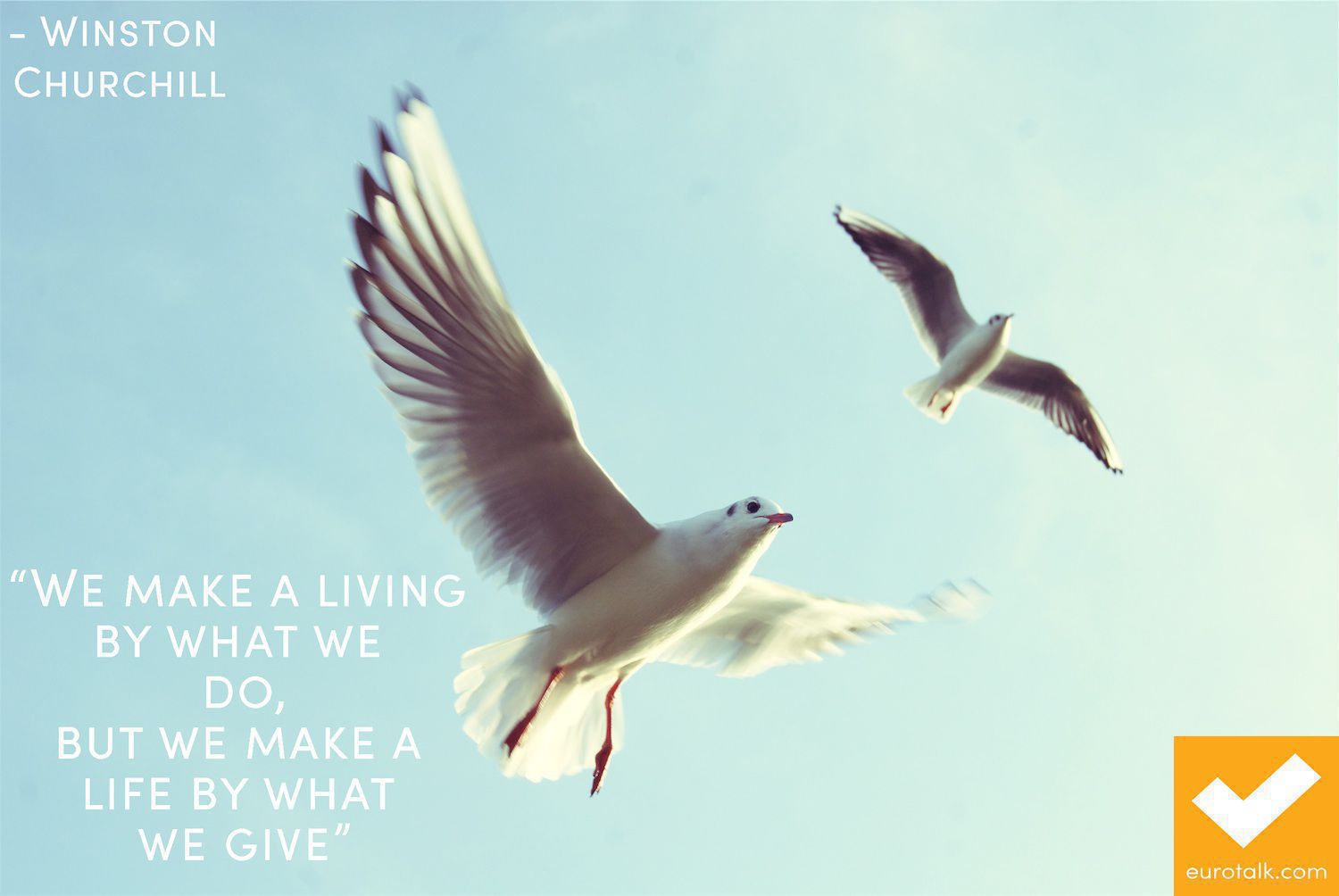
“We make a living by what we do, but we make a life by what we give.” Winston Churchill
For more like this, find us on Pinterest or We Heart It.
Embed This Image On Your Site (copy code below):
10 reasons to visit….. Aberdeen
I recently spent a lovely weekend in the sunny seaside port of Aberdeen. Well, maybe not that sunny (in fact I recommend a very wooly hat), but I still have a strong top 10 things to do there:
- The Maritime Museum
Far and away the best thing to do with your time in Aberdeen- and it’s free! And it’s open on a Sunday! The focus is largely on the oil industry (and when you’re wandering round Aberdeen you find yourself asking all sorts of questions about rigs and life aboard, which are all answered in the museum). As you wind your way up to the impressive viewing platform on the top floor, you’ll not only pass plenty of interesting displays on diving vessels, safety standards, drilling techniques and the various types of oil rig, but also have chance to get really involved in some of the techniques yourself, thanks to the interactive games. Just elbow the kids out of the way (I’m pretty sure these games are for adults too) and then have a go at manoeuvring a diving vessel through the murky water to locate an oil leak, or trying to guide a huge virtual ship into dock in Aberdeen harbour.
- The Ashvale Whale
Just out of the centre is a famed Fish N Chip restaurant, The Ashvale. Order an Ashvale Whale and take on the challenge to defeat the whale- by eating it. Winners are rewarded with the offer of a second, free Whale (really?) or a free desert, as well as a certificate testifying that you did, in fact, eat the said whale (actually a pretty huge bit of fish, for all of those who are worried!).
- Butteries
Local to Aberdeen is the ‘buttery’, or ‘butt’ as I heard it called, a very flat bread roll sold in most bakeries for around 30p a piece. Very salty and chewy, they were originally made as a food for fishermen- something that wouldn’t go stale at sea.

- Macaroni Cheese Pie
Whilst ordering your butts, add a cheeky macaroni cheese pie to your basket. More local to Scotland than specifically Aberdeen, the macaroni cheese pie is absolutely the best combination of two wonderful foods (macaroni cheese and pie!) in one handily pocket-sized snack
- Footdee
If you walk all the way around the town to the northern headland, through all the desolate rubble of the working harbour, you’ll quite suddenly find yourself in the little oasis of Footdee (Fittie to locals). This tiny fishing village, moved repeatedly as the harbour expanded, is a grid-work of incredibly well-kept cottages, all looking inwards on each other, with beautiful courtyards and pristine allotments
- Marischal College
Often referred to as the granite city, Aberdeen is full of imposing, giant buildings, and the main street is one very long testament to granite. Make sure you walk by Marischal College, the second biggest granite building in the world and the most stunning building in Aberdeen, with its intricately decorative granite spires.

- Some very varied and old pubs
There are, of course, plenty of pubs in Aberdeen- this is a student town and a working port. Ma Cameron’s, a rabbit-warren of a pub with a very cosy ‘snug’ bar tempting you in from the street, is highly recommended.
- Doric Scots
Aberdeenshire is famous for its own language, Doric Scots. Don’t be too alarmed if you’re addressed with the phrase ‘Fit like?’, (‘How are you?’) and proceed to be slightly baffled by the rest of the conversation. To learn some essential Scots phrases, get uTalk.
- Whisky tour
In Aberdeenshire, you’re spoilt for choice when it comes to distilleries. Although you have to go a couple of miles out of the town to get to one, the region is scattered with distilleries both big and tiny, and it would be a shame to visit the town without making time for a tour and learning a little bit more about how the water of life is made.
10. Aberdeen harbour
The harbour at Aberdeen is endlessly fascinating and there is a fairly constant activity of large ships and pilot boats. To see the comings and goings of the ships, I recommend walking around to the southern peninsula, via Greyhope Road- a very relaxing afternoon stroll- where you’ll get a clear view over Fittie and the harbour mouth.
Have you ever been to Aberdeen and tried any of the local delicacies? We want to hear about your experience.
Nat
Interesting idioms from around the world
No matter what language you’re learning, at some point you’ll probably come across idioms. These phrases, on the surface, seem to mean very little and yet, to native speakers, they roll easily off the tongue without a moment’s thought. In a recent post, we covered Chinese chengyu, idiomatic expressions that each have their own fascinating story. And English is full of strange idioms – ‘to have a chip on your shoulder’, for instance, or ‘to pull someone’s leg’. Very confusing if you’re not very familiar with the language.
Idioms are a tricky part of the language learning process, but well worth it if you can get a few under your belt… 😉 Being able to drop a few colloquial expressions into your speech in the right context will not only boost your confidence, but it’ll also impress whoever you’re talking to!
So here are just a few of our favourite idioms from around the world:
Aus einer Mücke einen Elefanten machen (German)
Literally: To make a mosquito out of an elephant
Meaning: To make a fuss out of nothing
 Énêhpoése ma’eno (Cheyenne)

Literally: The turtle is shrouded
Meaning: It’s foggy
猿も木から落ちる (Saru mo ki kara ochiru) (Japanese)
Literally: Even monkeys fall from trees
Meaning: Even experts get it wrong
Ar gefn ei geffyl gwyn (Welsh)
Literally: On the back of his white horse
Meaning: Full of mischief
Hak mir nisht kin chaynik (Yiddish)
Literally: Don’t chop my teakettle
Meaning: Stop annoying me
Les chiens ne font pas des chats (French)

Literally: Dogs don’t breed cats
Meaning: Like father, like son
chang.sa.rgyag (Tibetan)
Literally: To put up a beer tent
Meaning: To get married
Aquí hay gato encerrado (Spanish)
Literally: there’s a trapped cat here
Meaning: there’s something odd going on
бурхан оршоо бутын чинээ сахал урга (Burkhan orshoo butin chinee sakhal urga) (Mongolian)
Literally: God bless you and may your moustache grow like brushwood
Meaning: Bless you (when someone sneezes)
Avere gli occhi foderati di prociutto (Italian)
Literally: To have one’s eyes lined with ham
Meaning: To be unable to see something that’s plainly obvious
Have you discovered any fun idioms in the language you’re learning? Let us know in the comments!
