Talking about Time: Insights from Other Languages
The following post is from Paul, an English teacher who lives in Argentina. Paul writes on behalf of Language Trainers, a language teaching service which offers foreign-language level tests as well as other free language-learning resources on their website. Check out their Facebook page or send an email to paul@languagetrainers.com for more information.
If you love languages, and you’d like to guest blog for EuroTalk, please get in touch; we’d love to hear from you.
Talking about Time: Insights from Other Languages
Time: it’s an essential part of our everyday life, and we talk about it constantly — yet we can’t see or touch it. In English, we usually conceptualize time as a linear distance along a horizontal plane. This seems totally natural to us: time can be long or short, deadlines can be close to us or far away from us, and we have no problem representing minutes and hours on a timeline.

Image via Pexels
But as common as these expressions are, they raise some important questions about how we express time through language. As we’ll see, we often use conflicting metaphors to describe the passage of time. And other languages express time in a completely different way, challenging this anglocentric notion of time that seems so natural to English speakers.
Does time move around us, or do we move through time?
There’s no question that our relationship to time is a dynamic one: days pass, we get older, and the future becomes the past. But who’s doing the moving: time, or us? Expressions like “time flies” or “the hour dragged on” suggest that time moves and takes us with it. Indeed, if we talk about an upcoming test — “The final exam is getting closer” — we can certainly phrase it in terms of time moving towards us.
But we can also talk about the same test by saying “We’re getting closer to the exam date”. Suddenly, the relationship is flipped: now time is static, and we’re moving through time into the future. Indeed, language enables us to conceptualize time in terms as a static entity that we move through, as well as a dynamic entity that moves around us.
In just the English language, we have already found some peculiarities about how we express time. But when we introduce other languages into the equation, the picture gets even more interesting.
Is time horizontal or vertical?
In English, regardless of whether time moves towards us or we move through time, this movement is definitely horizontal. The words we use to describe time — “push back” a deadline, “be ahead” of schedule — are the same ones we use to describe horizontal distances (e.g., “take a step back”, “walk ahead of her”). That is, for English speakers, time is horizontal, with the past behind us and the future in front of us.
But this isn’t necessarily the case in Mandarin Chinese. For Mandarin speakers, it’s possible to talk about time in the same way as English speakers, with time running along a horizontal plane. But it’s also common to use vertical terms to describe the order of events, days, semesters, etc. For instance, the words shàng (up) and xià (down) can be used to express temporal relations: xià ge yuè means “next month”, and shàng ge yuè means “last month”.
Thus, in Mandarin, our familiar horizontal timeline can be flipped vertically, with the past being up and the future being down.
Is time a distance or a quantity?
Two classic ways to express time are the timeline and the hourglass. However, these point to starkly different metaphors. Whereas a timeline suggests that time is a distance, an hourglass suggests that time is a quantity. In English, we generally prefer to talk about time as a distance — saying that something “lasts a long time” is more common than saying it “lasts a lot of time”.

Image via Pixabay
In Spanish, however, this isn’t the case. Indeed, saying tiempo largo (literally “long time”) sounds odd in most dialects; instead, mucho tiempo (“a lot of time”) is much preferred. Greek, too, features this tendency to use volume-oriented metaphors, using words like megalos (“large”) and poli (“much”).
Thus, whereas in English, our use of language favors the timeline, other languages like Spanish and Greek make greater use of the hourglass in their temporal expressions.
Is the past in front of us or behind us?
In English, we can look back into the past and forward into the future. This is as clear as day to us: the past is behind us, and the future is in front of us. Yet in spite of how obvious this may seem to us, this isn’t the case in all languages.
Take Aymara, an Amerindian language spoken in some regions of Bolivia, Peru, and Chile. In Aymara, the past is described as being in front of us, whereas the future is behind us. Though this conception of time seems jarring to us English speakers, it’s logical: we can see in front of us, just as we can remember the past; but we can’t see behind us, just as we can’t predict the future.
To our English-speaking brains, it seems only natural that time is a distance that moves horizontally. But as we’ve seen, this isn’t necessarily the case across languages: time is a complicated concept, and can be expressed through a variety of metaphors. Indeed, as any language learner knows, languages aren’t just sets of words, but rather bring with them a whole new way to view the world. That’s just one of many reasons why learning a language is such a great use of your time — whether that time be above you, below you, in front of you, or behind you.
Quote of the week: 30 Aug 2015
“All our dreams can come true, if we have the courage to pursue them.” Walt Disney

Embed This Image On Your Site (copy code below):
6 language family trees that will make you want to learn them all
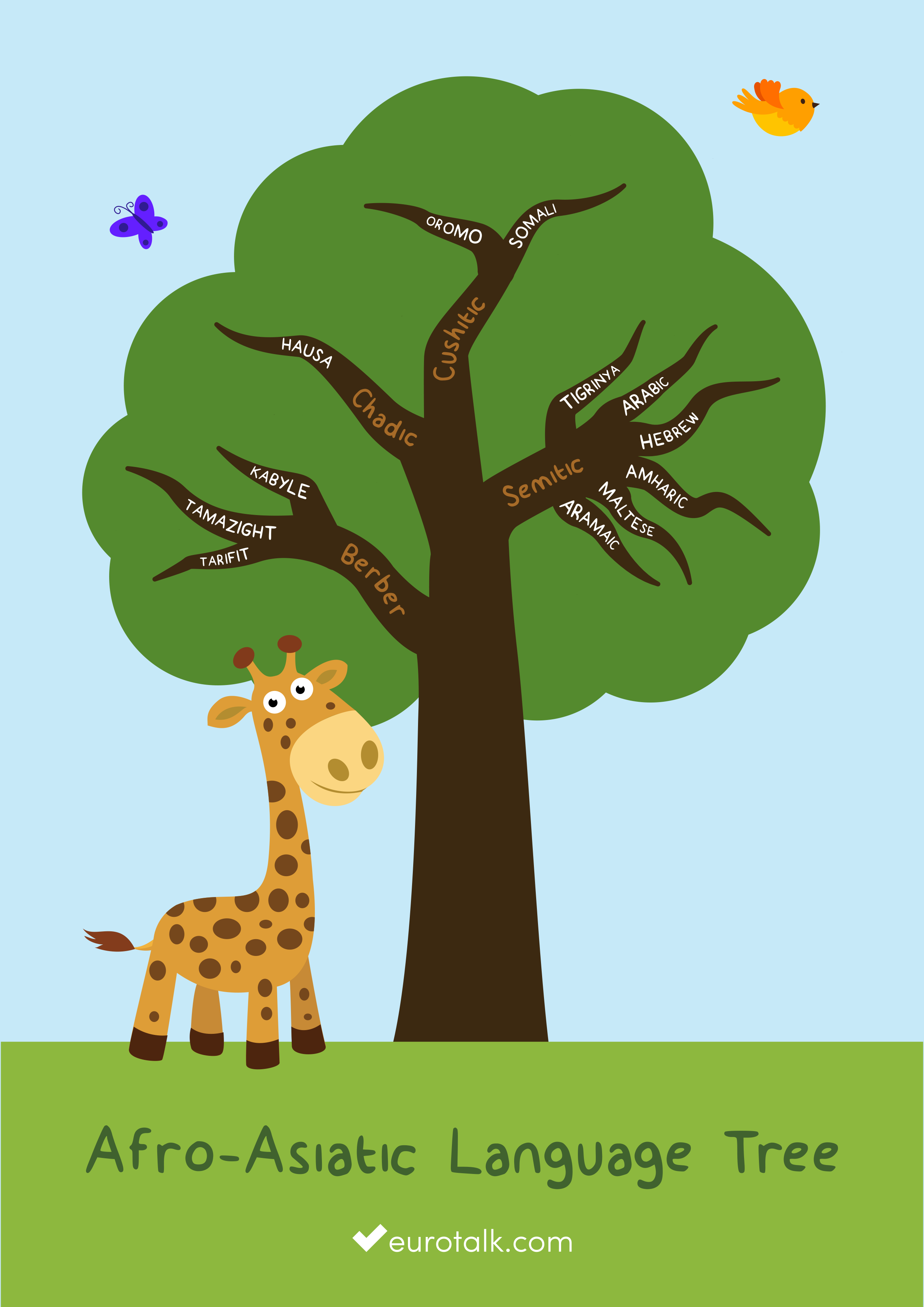
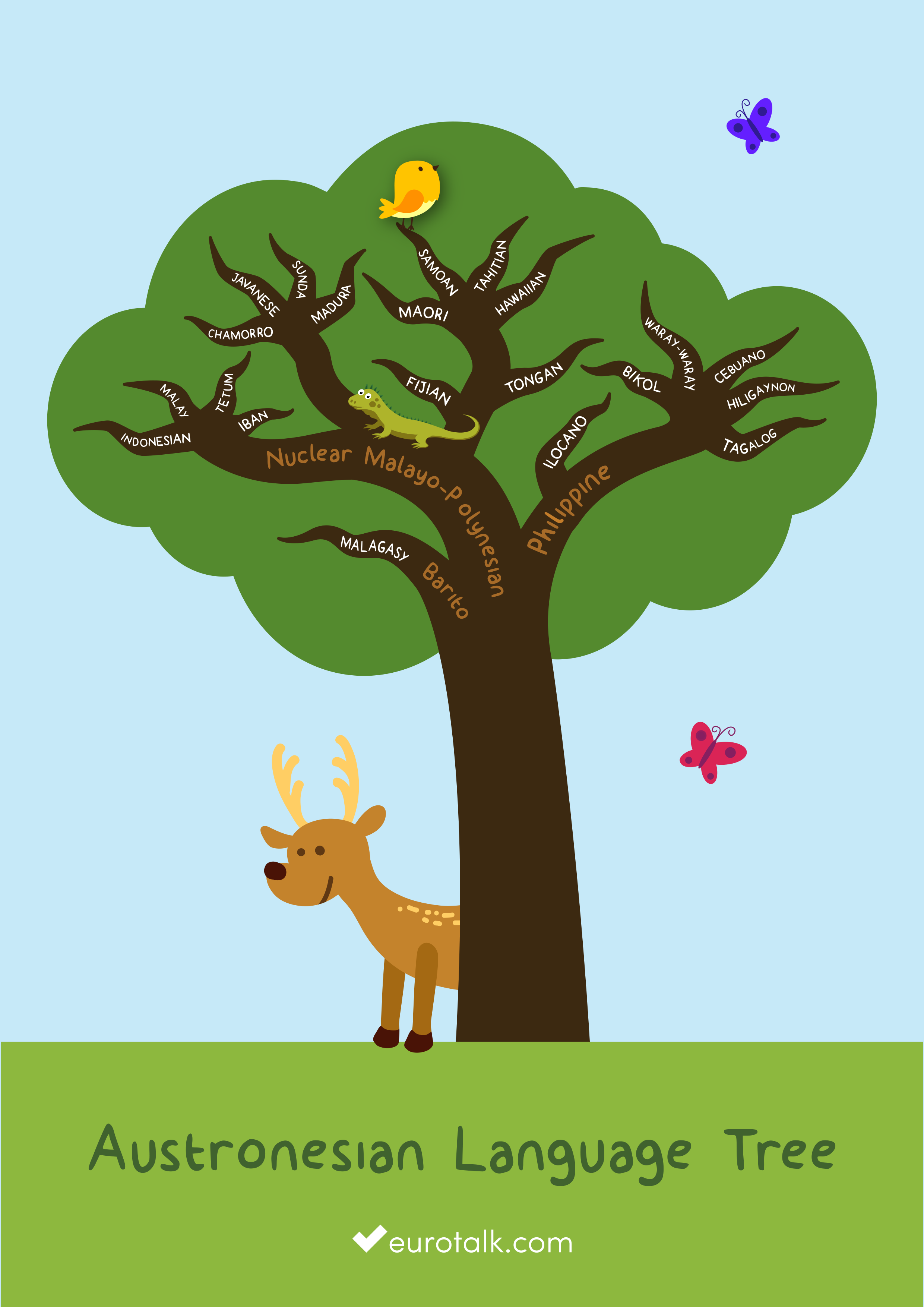
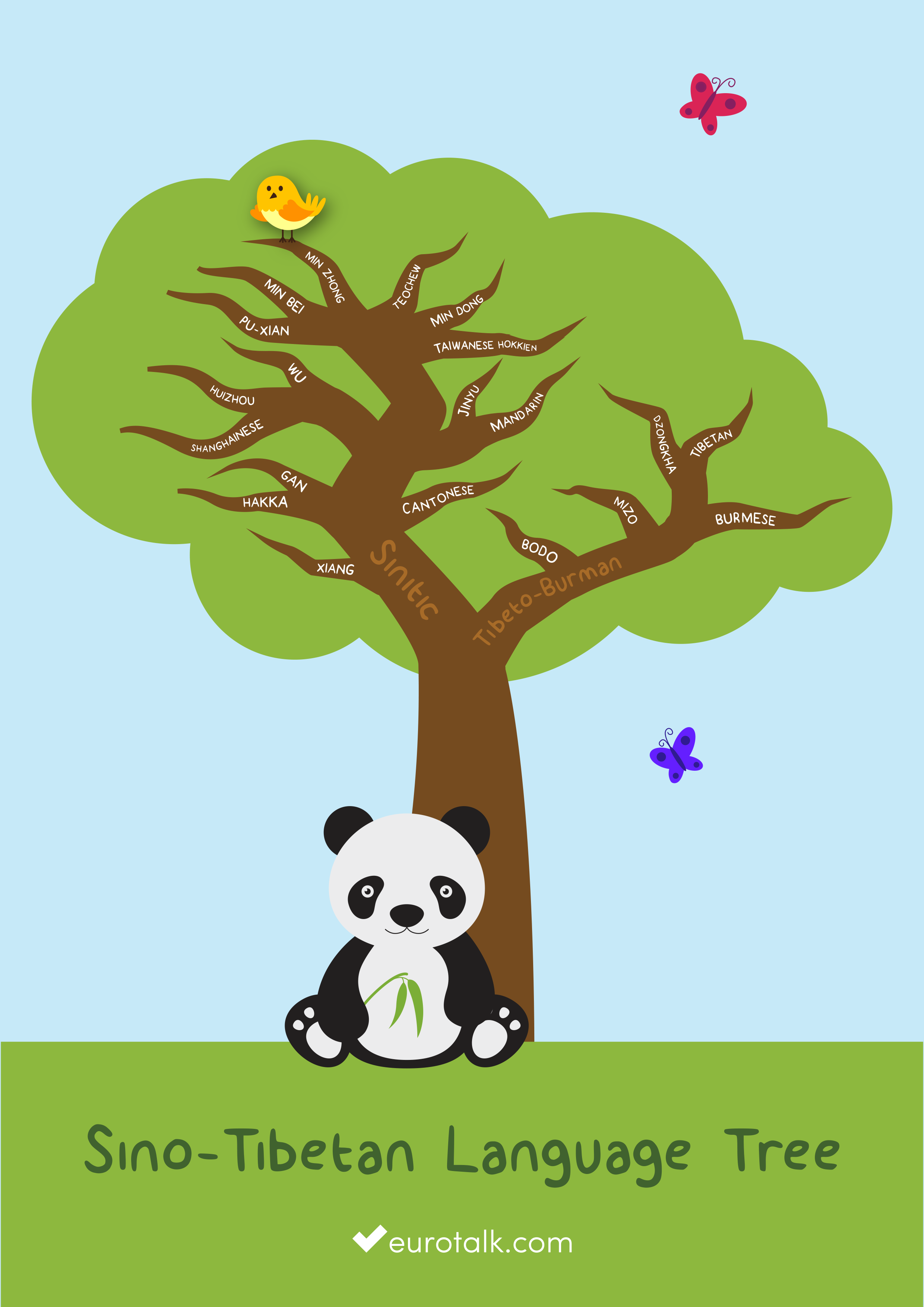
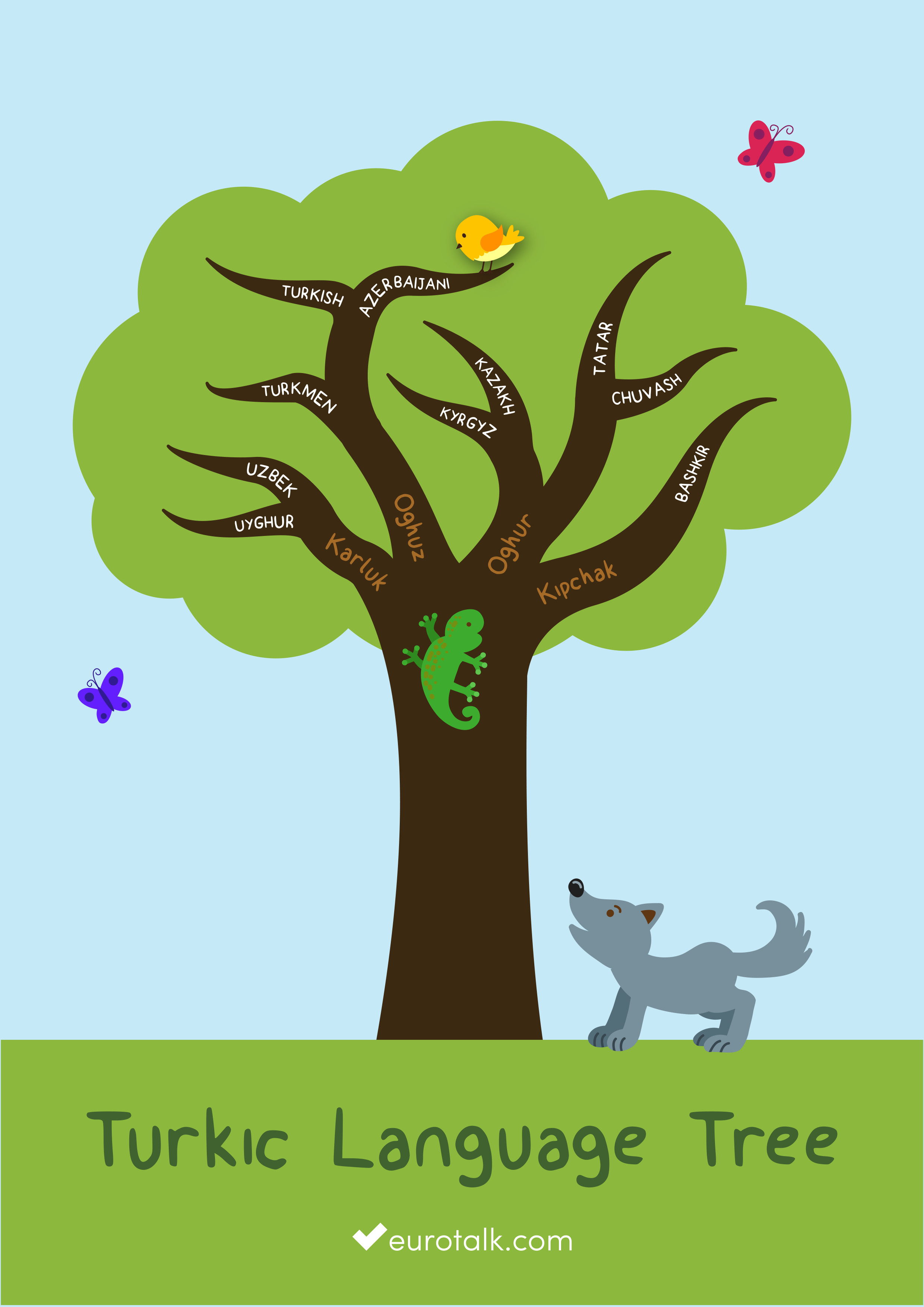
We recently shared an illustration showing many of the world’s languages and how they’re all related to each other. And a lot of you really liked it, so we thought we’d give you a closer look at each language family.
With some familiar names and some not quite so familiar, these illustrations show the staggering variety of languages spoken in the world (and this isn’t even all of them!). We’re always fascinated to learn about new or unusual languages, so please do get in touch if you’d like to tell us about yours.
And if you’d like to share any of the images below, please do 🙂
Afro-Asiatic
Austronesian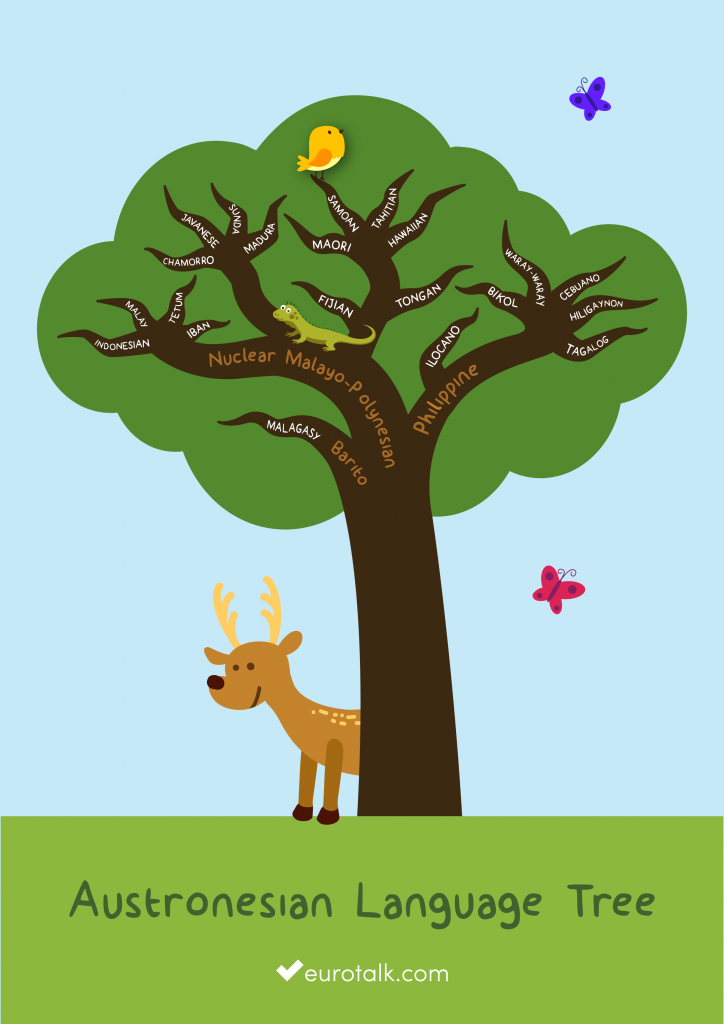
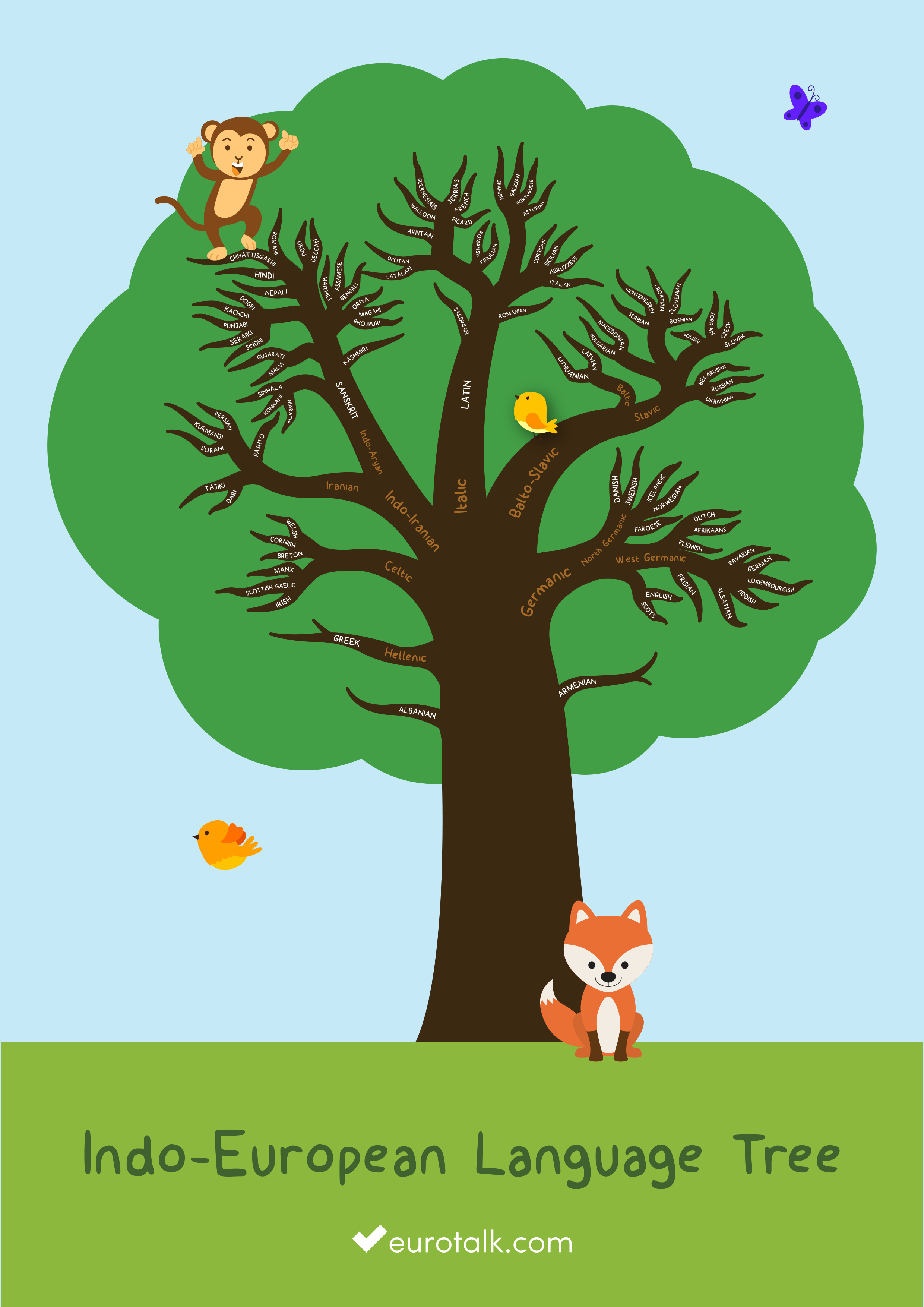
Indo-European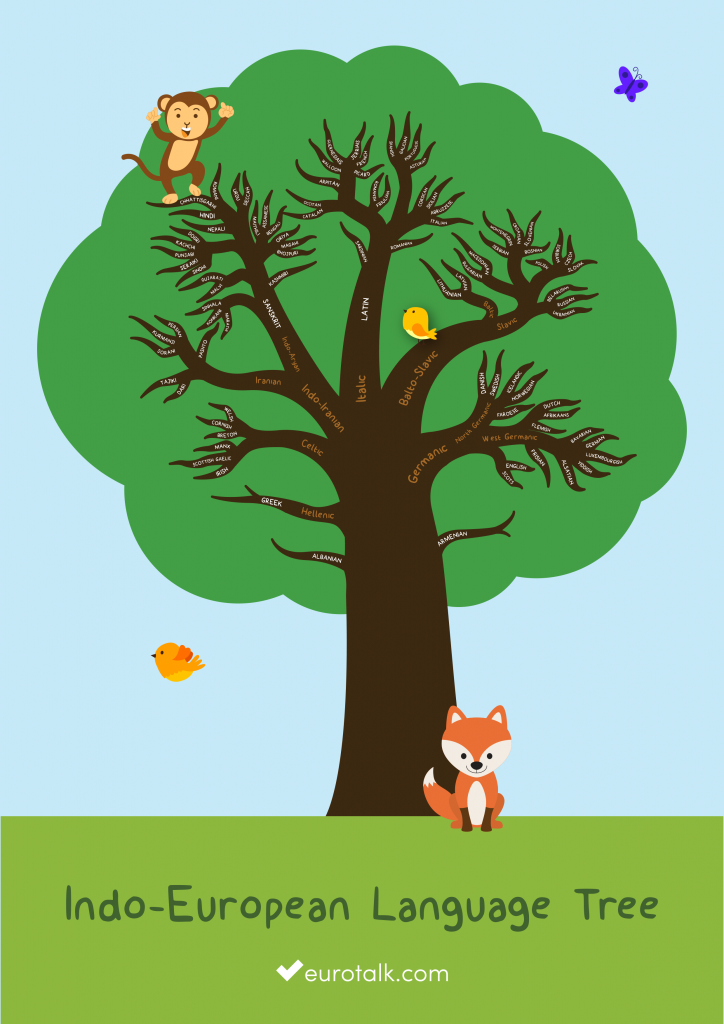
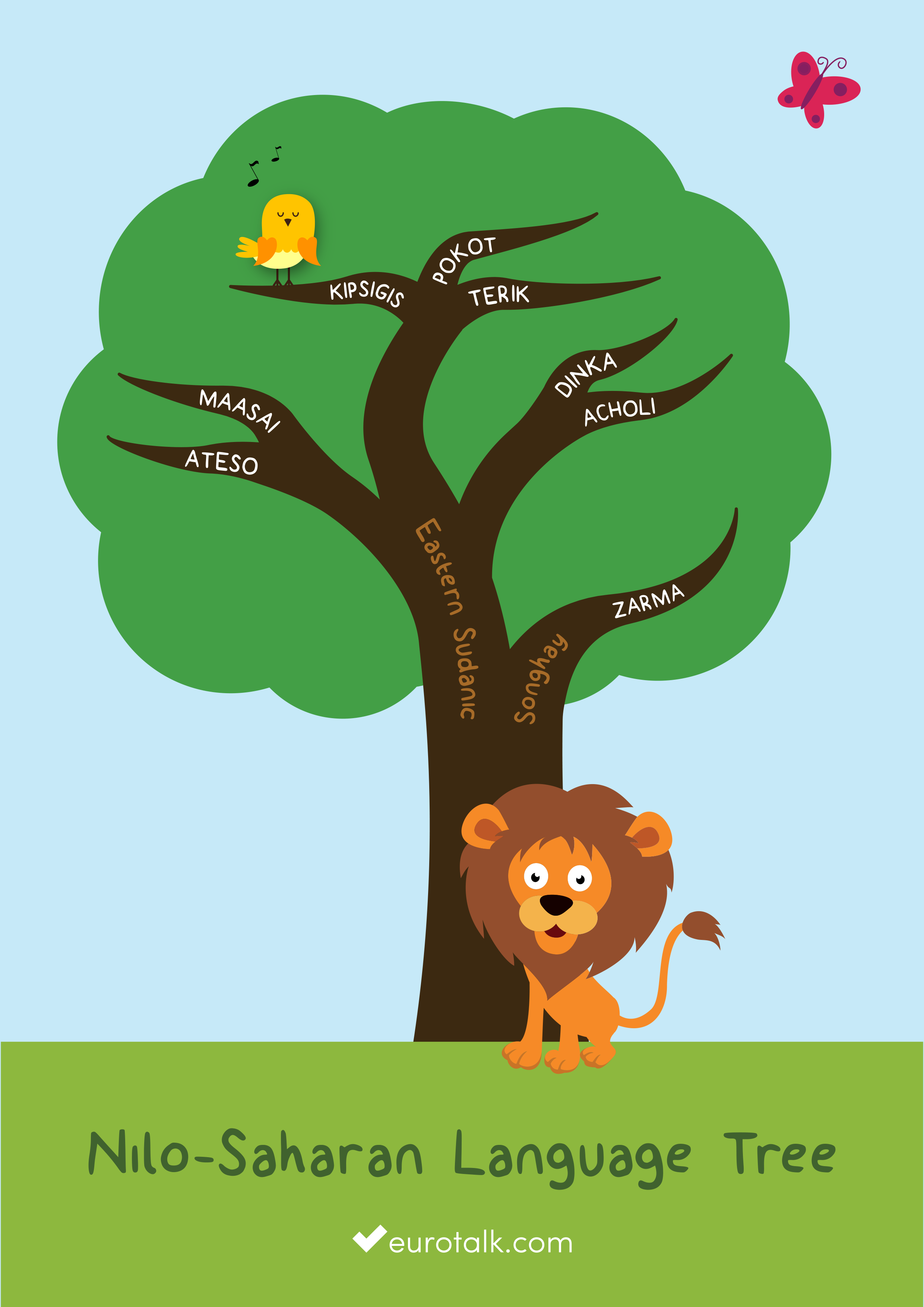
Nilo-Saharan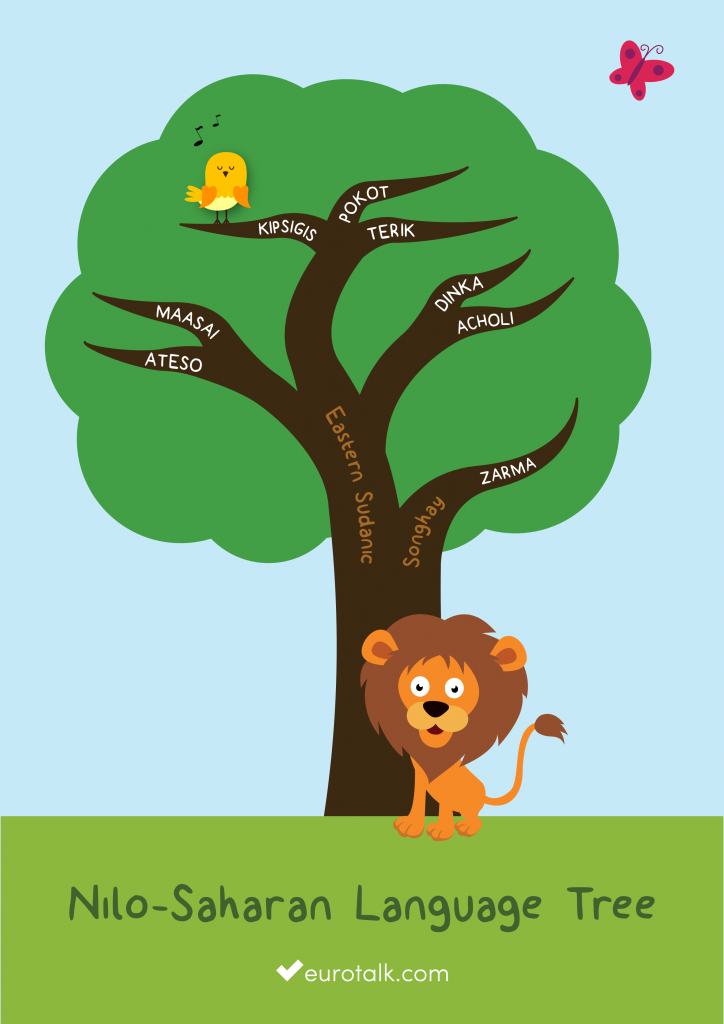
Sino-Tibetan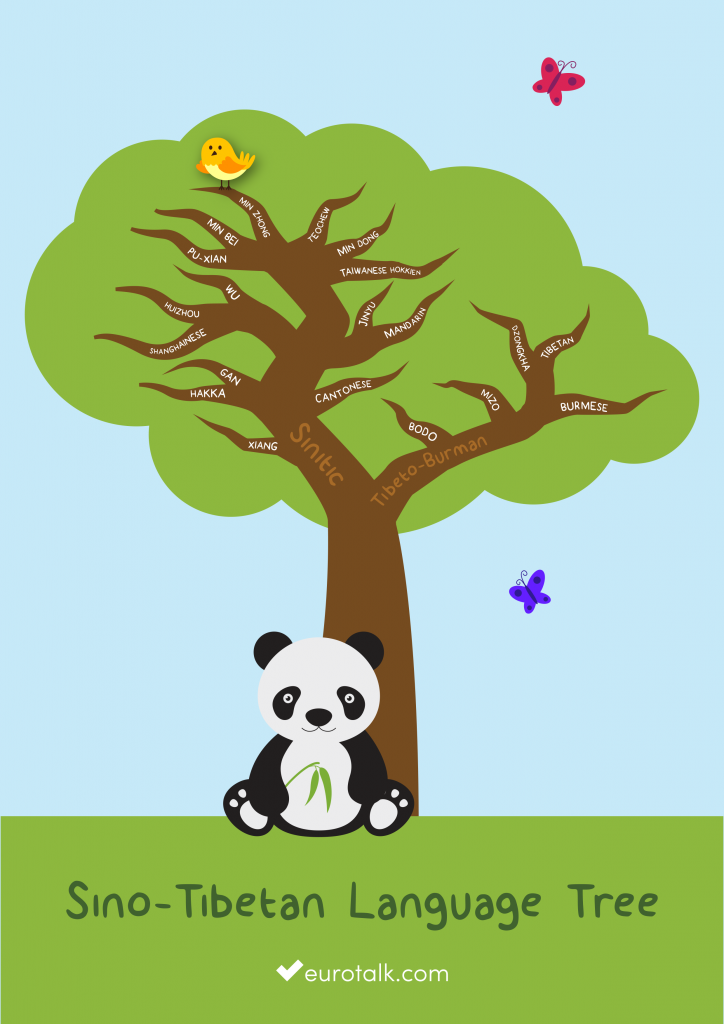
Turkic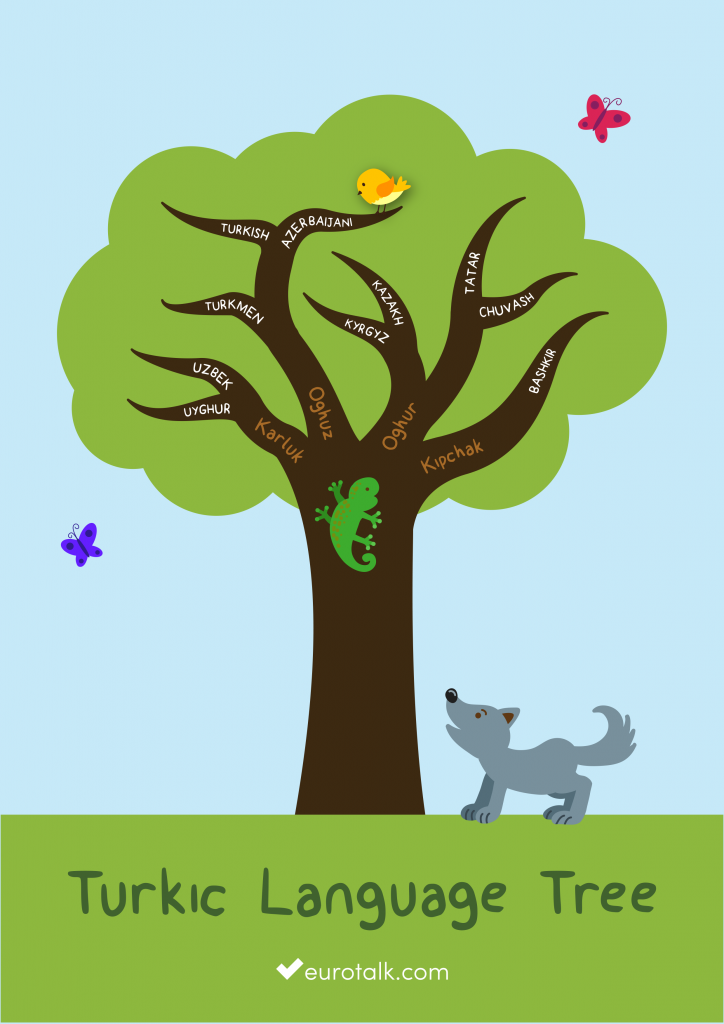
Quote of the week: 22 Aug 2015
“The world is a book and those who don’t travel only read one page.” Saint Augustine
Embed This Image On Your Site (copy code below):
Going back to my roots to learn Polish
Alex Koszykowska is the newest member of the EuroTalk team, joining us last month as our new sales and marketing assistant. In today’s post she explains why she’s learning Polish.
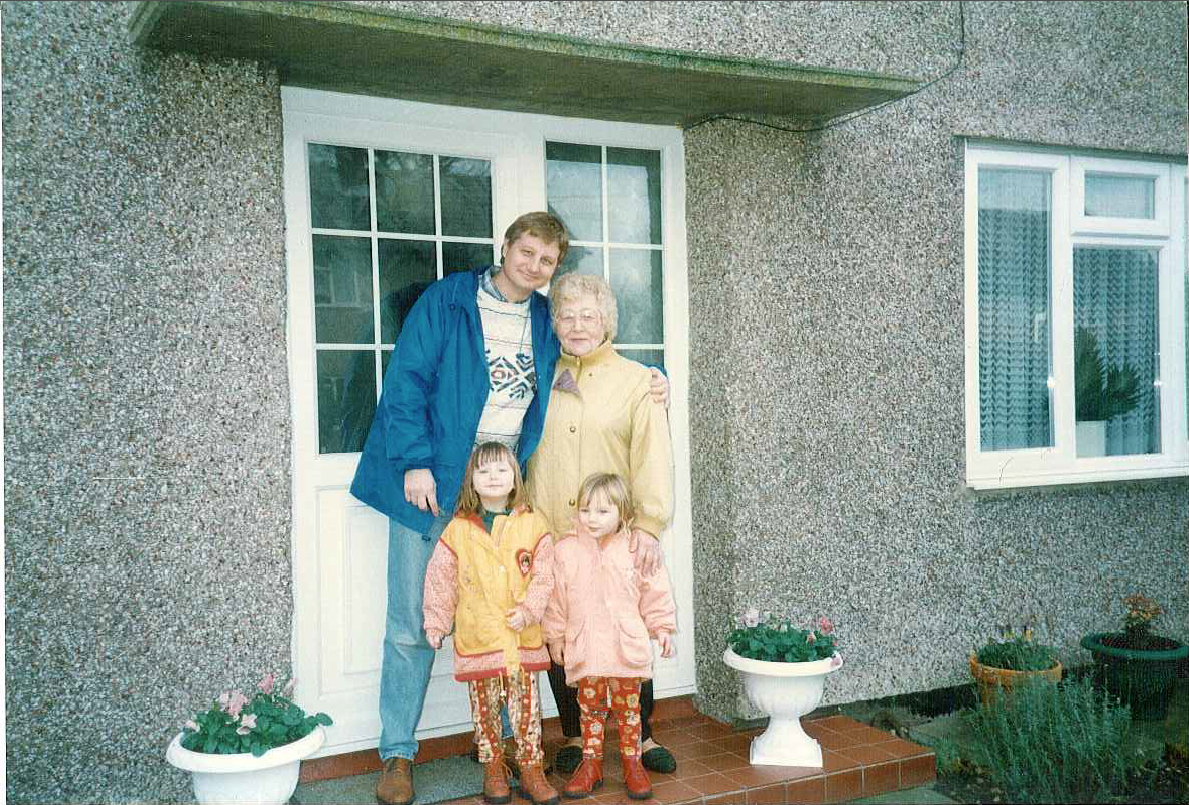
My grandma, dad, sister and me. I’m the little one!
It is said that a million people in the UK class Poland as their ancestral home in some way. This is the case for my family; my Granddad came to England from Poland during the second world war (my Gran also came over to England but from Russia – she and my Granddad met when she was a nurse in the army). Over the years my Gran has adapted to my Granddad’s ways, and will now only speak Polish or very basic English to us. Growing up, my dad and his brothers were all brought up speaking Polish as their main language, with English as their second. Even today they can slip into Polish very naturally – leaving my sister and I completely oblivious to what was going on around us. My mum and aunties all learnt to speak Polish – mainly to get brownie points from my Gran; but really it is only my sister, my cousins and I who cannot speak Polish in our family.
This means regularly at our family’s favourite restaurant (which of course is owned by a Polish family), we would be pretending to understand what everyone was talking about.Whenever we entered the hotel, I would always greet the family with ‘Cześć’ (hi). My sister and I have also mastered how to say ‘Dziekuje ci bardzo’, which means ‘thank you very much’ (and rolls off the tongue much more easily then you think it would). We have managed to get away with this throughout our childhood. However, now I feel a certain responsibility to carry on this tradition in our family. Working for EuroTalk has shown me that language learning isn’t as intimidating as many people make out.
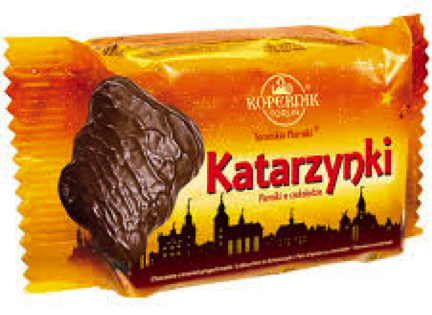 Part of the reason it is so enjoyable to be learning Polish is that I love everything about my Polish roots. From the tradition of whenever we go to my Gran’s she hands us a pack of Katarzynki (which are like soft biscuits with a ginger flavour in the middle and chocolate around the outside) to our rather impossible to say, spell and write surname (with a lot of people finding the change from ‘a’ if you’re female to ‘i’ if you’re male for the last letter of our surname confusing!).
The four words I do know (five if you include dobrze – ok) make my Gran so happy; she loves seeing us take an interest in our Granddad’s language. Even basic language skills are so important and can make a huge difference. My family heritage is my motivation to learn more Polish, which is why the uTalk app is so fabulous, as it is designed so you can learn how to say key phrases. For example ‘proszę mówić wolniej’, meaning ‘please speak more slowly’, which is vital to know in my family!
Are you interested in learning a language, or do you have family members who are bilingual and you’re keen to join them? Try our uTalk app to get started!
Alex
