Quote of the week: 15 Aug 2015
“It’s never too early or late or a bad time to start anything.” Margret Zhang

Embed This Image On Your Site (copy code below):
5 times you spoke Italian and didn’t know it
Did you know that you speak Italian?
No, really – you do. And we don’t just mean that time you ordered a pizza. Here are a few words you’ve probably used at some point, but might not have realised were Italian:
Novella
Longer than a short story, but not quite a full novel. Well-known novellas include John Steinbeck’s Of Mice and Men, Die Verwandlung (The Metamorphosis) by Franz Kafka and Giovanni Boccaccio’s Decamerone (The Decameron). The word ‘novella’ comes from the Italian meaning ‘new’.
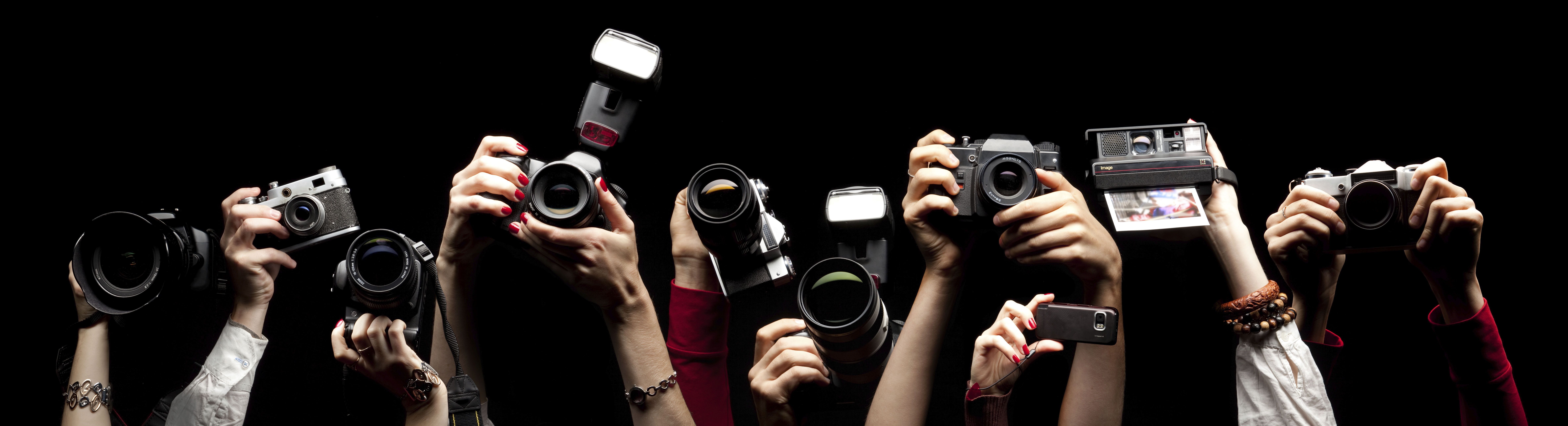
Paparazzi
The use of this term to describe photo-journalists who follow and take pictures of celebrities can be traced back to a character in Federico Fellini’s 1960 classic movie, La Dolce Vita. Reports vary as to why Fellini chose this name for the independent photographer in the film, but one version of events claims it’s a word from an Italian dialect describing the annoying noise made by a small insect.
A cappella
Anyone who’s seen Pitch Perfect will know that a cappella means singing without any musical accompaniment, but its literal meaning in Italian is ‘in the manner of the chapel’. And it’s not the only Italian word used in music; the list is seemingly endless but a few examples are piano (quiet), allegro (lively and fast), crescendo (getting louder) and lacrimoso (sad).
Tarantula
The first spiders to be called ‘tarantulas’ were named for the Italian city of Taranto, where they were first found. Interestingly, these weren’t the hairy beasties we call tarantulas today, but what are now known as wolf spiders. (Not that we’d want to find either of them in our house.) Many people in southern Italy during the 16th and 17th century believed that a bite from the spider would cause a hysterical condition called tarantism, which could only be cured by dancing the tarantella.
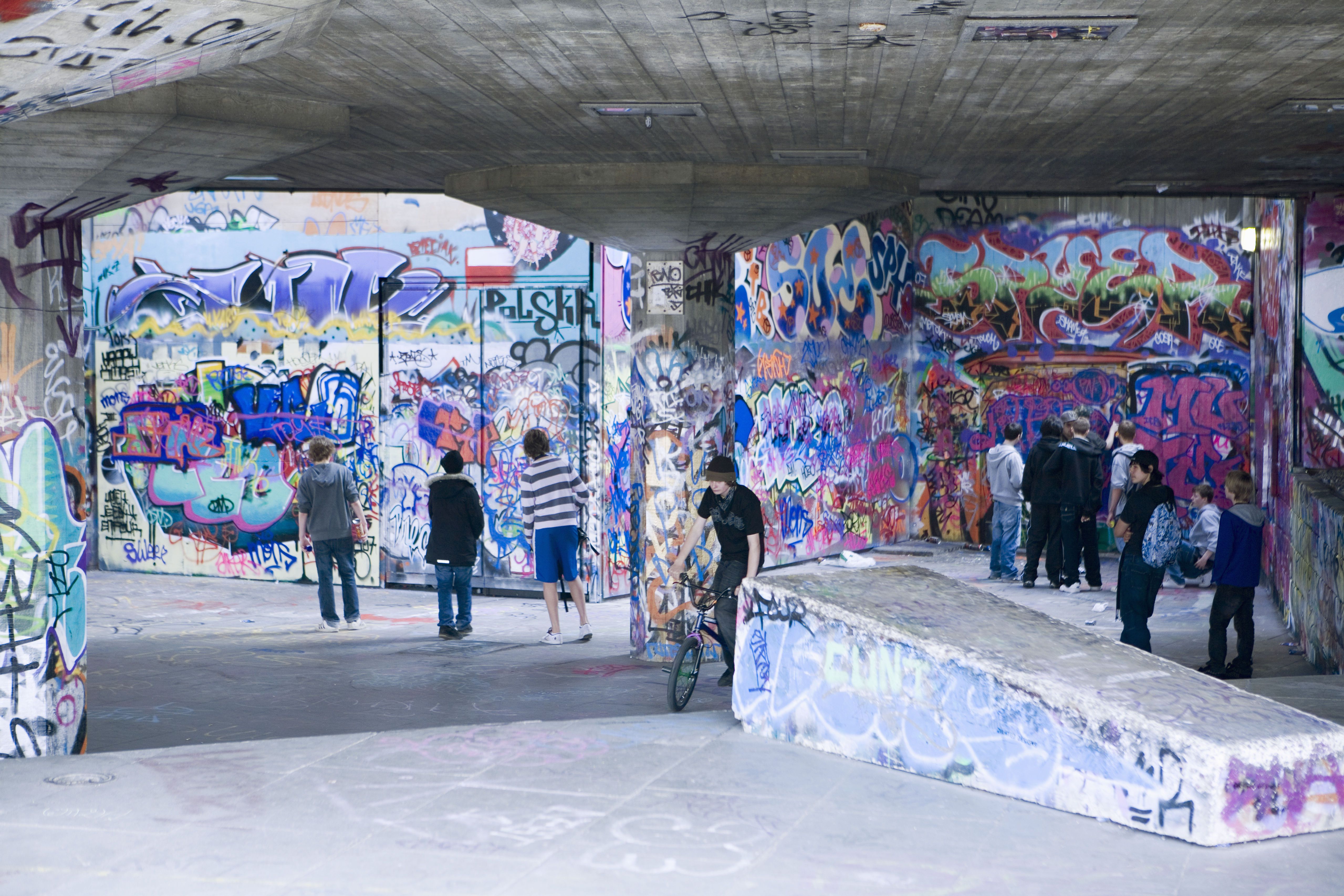
Graffiti
Graffiti comes from the Italian word ‘graffito’, which means ‘scratched’, and in art history the term is used to describe work created by scratching designs onto a surface. The word dates back to the 19th century, when it was used to describe inscriptions and drawings found in the ancient ruins of Pompeii, and today has taken on a mostly negative connotation – no matter how skilful the artist, graffiti is generally considered synonymous with vandalism.
There are plenty more examples of Italian words that have found their way into other languages – among them:
Stiletto: from the Italian word ‘stilo’, meaning ‘dagger’.
Mafia: its origins are uncertain, but many believe it to be from the Sicilian word ‘mafiusu’, which means ‘swagger’ or ‘bravado’.
Extravaganza: a spectacular theatrical production, which takes its name from the Italian word ‘stravaganza’ (extravagance).
Quarantine: derived from ‘quaranta’, the 40 days of isolation required to try and halt the spread of the Black Death in the 14th century.
How many Italian words have you used recently…?
Baby crying? Try sign language
I recently discovered something fascinating. Here it is: there is such a thing as Baby Sign Language. And it’s a pretty big deal.
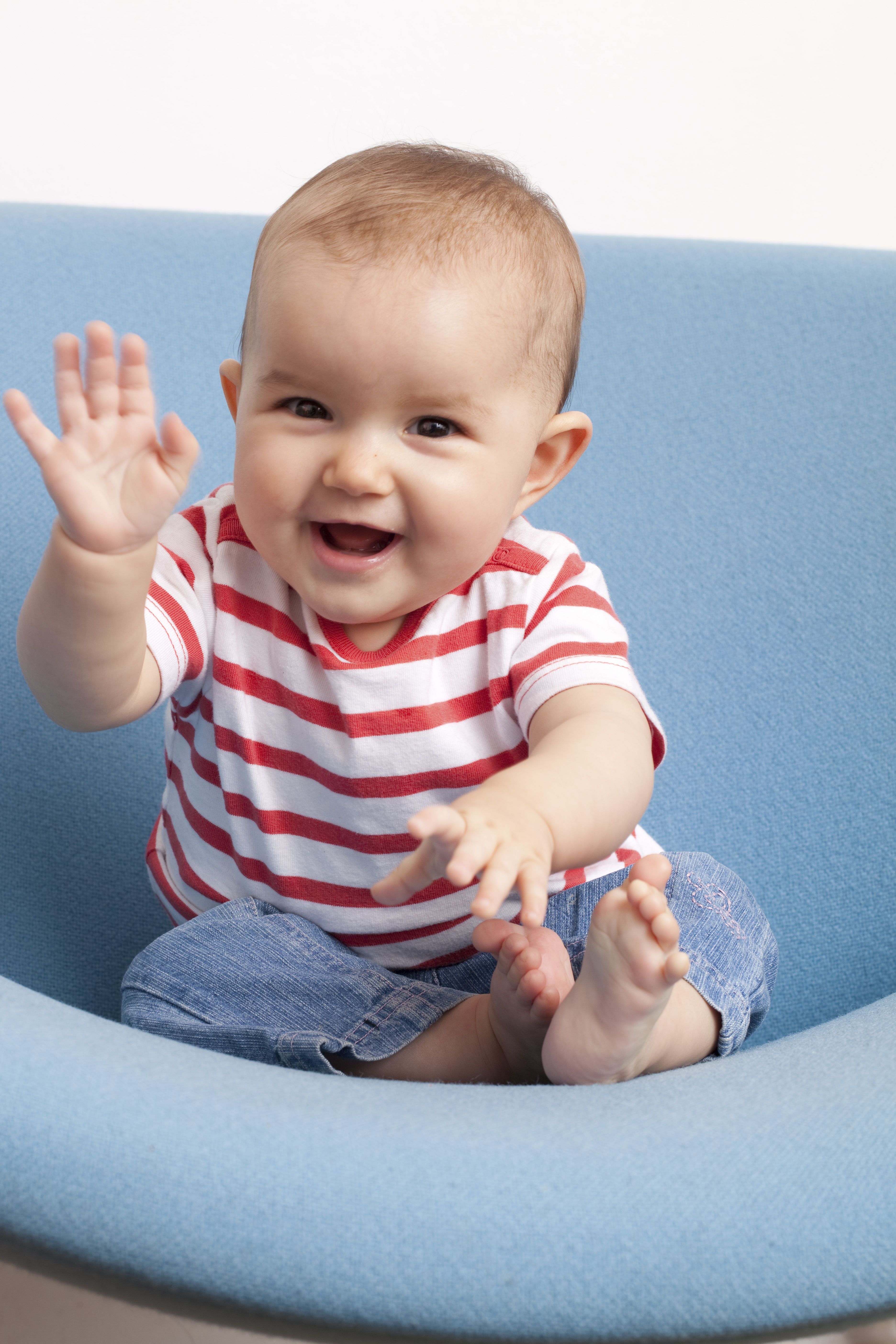 The idea behind it is very clever: by teaching simple signs to your baby from a really young age, they will be able to identify and sign everyday items, as well as being able to express simple desires and needs. There are signs for feelings such as ‘hungry’, ‘thirsty’, ‘thank you’, ‘want’, as well as objects such as ‘butterfly’, ‘chair’, ‘ant’, ‘uncle’.
Because your baby can quite easily acquire new signs using their hands and arms ages before the muscles of their mouth have fully developed to allow comprehensive speech, the baby can communicate at a much younger age – and you, the parents, can communicate with them as well, not just interpreting what the baby says, but also responding through sign.
As well as supposedly creating a fuller relationship with the baby at a much younger age than if you wait for speech to develop, the advantage is that the baby will generally feel a lot happier because they’re able to express themselves. Crying babies are often upset because they can’t communicate their needs, or because those needs aren’t interpreted by the grown-ups in charge, but if the baby has a sure means of communicating to the parents then they’re less likely to feel frustrated and angry, and therefore less likely to cry (hallelujah, I hear people shout).
The way it works is that your baby will pick up on regularly repeated signs. It might take a little while before they can respond, or understand, but if you repeat the sign for an object or feeling every time your baby is around, then they will start to identify the sign as having a specific meaning.
As time goes on and they become more comfortable with the concept of signing, they will want to acquire more and more vocabulary – so make sure you keep up!
Here’s baby Fireese and her mum showing us how it’s done:
Has anyone ever taught their baby to sign? We’d love your comments!
Nat
Quote of the week: 8 Aug 2015
“Never say goodbye because goodbye means going away and going away means forgetting.” Peter Pan

Embed This Image On Your Site (copy code below):
How to greet people from around the world
Have you ever experienced that awkward moment when you go in for a kiss when the other person goes in for a handshake and you end up with a punch in the gut? Here is our guide to greetings around the world so you don’t end up in that awkward situation:
The UK/North America
- If you haven’t met the person before then it’s best to go for a simple handshake.
- If you’re attempting to look stylish, or you’re at an impressive event, then you can kiss them on both cheeks.
- If you are meeting a friend then a friendly hug or a kiss on each cheek is allowed.

South Korea
- The bow is the traditional Korean greeting
- When men are meeting someone they know they shake hands, however this does not happen between different genders.
- Korean women will not shake hands with Western men.
- Western women, however, may offer their hand to a Korean man.
France
- When meeting a girl you can kiss them, one on each cheek.
- Men stick to handshakes.
The Netherlands
- The handshake is very important, you shake everyone’s hand on arrival and again when you are leaving
- When meeting up with a friend it is normal to kiss three times on alternate cheeks.
Argentina
- It is normal to kiss everyone of the cheek, just once and always the right cheek
Thailand
- In Thailand you greet someone with the ‘Wai’, this is when you press your palms together in a prayer pose, and bow your forehead to touch your fingertips. The higher your hands, the more respect you have for the other person.
India
- A typical greeting is when you place your palms together in the prayer position and bow slightly, and say ‘Namaste’.
- However, when Indian people meet a Westerner they will shake their hand.
China
- You no longer have to do the cupped-hand bow; it is now acceptable to do a handshake. If you are in a formal situation, then out of respect you should lower your head.
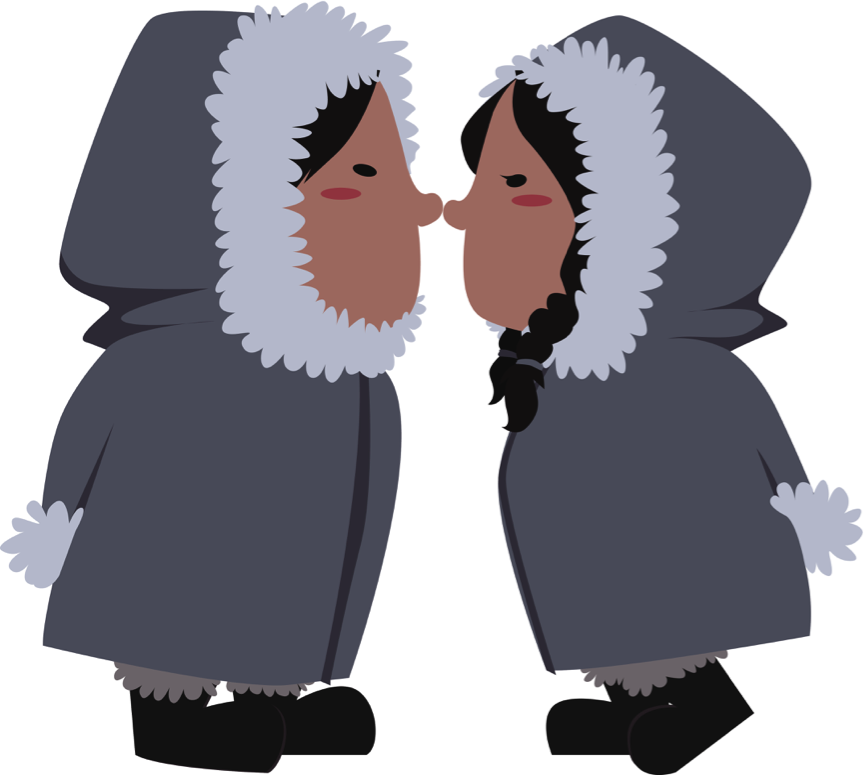
Inuit
- When they are meeting someone they rub their noses together.
Tibet
- It is very polite to stick your tongue out at someone; it shows you have no evil thoughts.
